
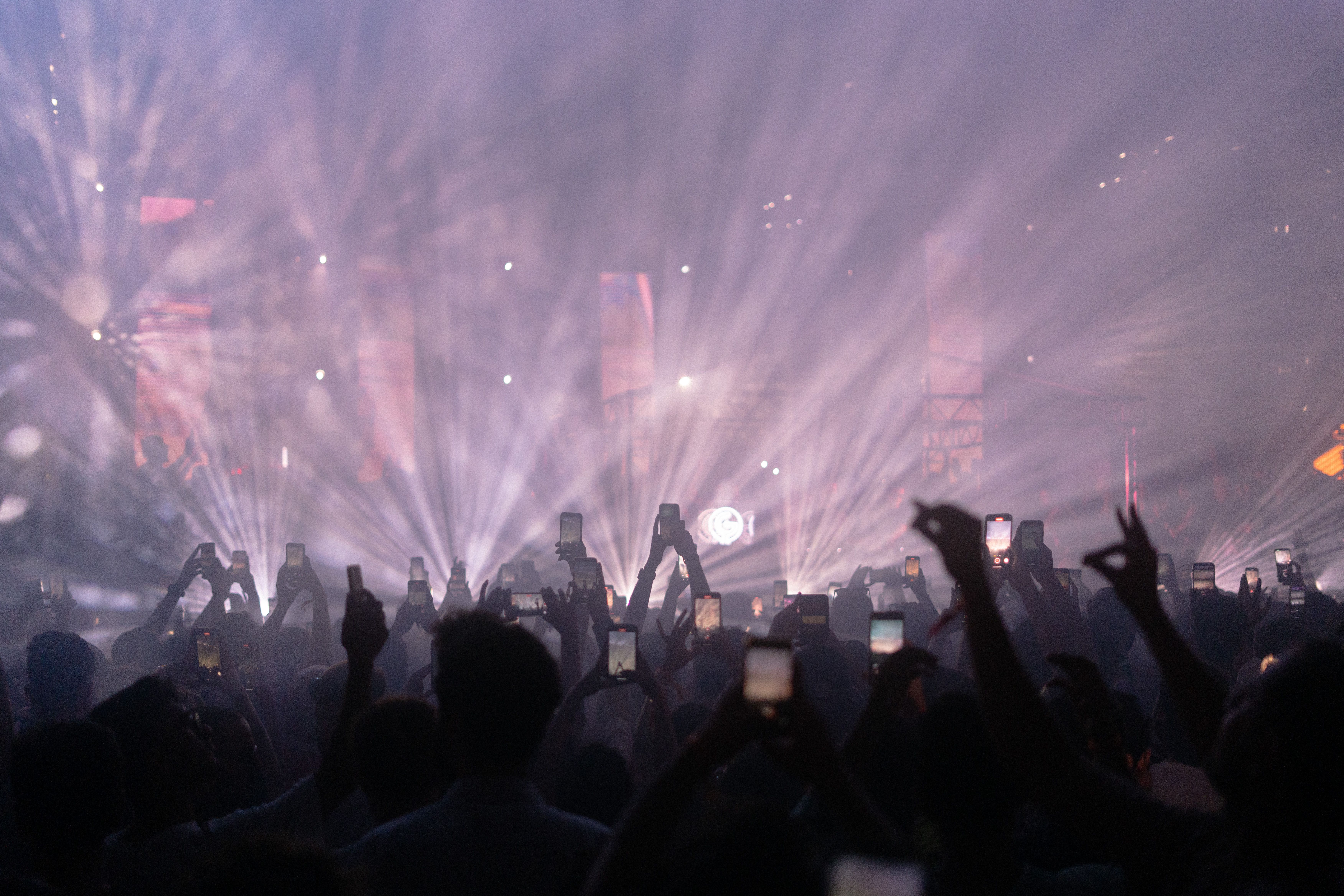
India's live entertainment industry is becoming more digital. From discovering artists and purchasing tickets on platforms like Aruva to managing events and engaging audiences, technology is changing almost every stage of the live entertainment journey.
India's media and entertainment industry reached approximately ₹2.78 trillion in 2025, while the live events segment grew 44%, according to the FICCI-EY Media & Entertainment report.
As the industry grows, technology is becoming increasingly important for connecting artists, venues, organisers, brands and audiences.
1. Digital Artist Discovery
Finding the right artist for an event has traditionally depended heavily on personal networks, managers and word-of-mouth recommendations.
Digital platforms are changing this.
Organisers can increasingly discover artists based on factors such as:
-
Location
-
Music category
-
Performance format
-
Experience
-
Availability
-
Budget
Platforms such as Aruva are helping bring artist discovery and booking into a more structured digital environment, making it easier for organisers and venues to find performers suited to their requirements.
2. Online Artist Booking
Technology is also simplifying the booking process.
Instead of managing multiple calls and messages, digital booking platforms can bring artist profiles, availability, pricing and booking communication into one ecosystem.
For artists, this can mean access to more opportunities.
For organisers, it can mean a more organised way to discover and engage talent.
This is particularly relevant as India's independent artist community continues to expand.
3. Digital Ticketing Is Changing Event Access
Ticketing has become one of the most technology-driven parts of live entertainment.
Online ticketing platforms allow audiences to:
-
Discover events
-
Compare ticket options
-
Purchase tickets digitally
-
Receive QR-based entry passes
-
Get event notifications
For organisers, digital ticketing can provide useful information about sales, audience behaviour and event demand.
This data can help organisers make better decisions around marketing, pricing and capacity.
4. Social Media Has Become an Event Marketing Engine
Social media has transformed how live events are promoted.
Instagram, YouTube and other platforms allow artists and organisers to promote performances directly to potential audiences.
Short-form video has become particularly important.
A 20-second performance clip can introduce an artist to thousands of potential fans, while event content can create excitement before a concert even begins.
This has made digital content an important part of live-event marketing.
5. Data Is Improving Event Decisions
Technology is also making live entertainment more data-driven.
Organisers can track:
-
Ticket sales
-
Audience demographics
-
Marketing performance
-
Event engagement
-
Venue capacity
-
Artist popularity
-
Customer behaviour
These insights can help determine which artists to book, how to price tickets and where to promote an event.
Over time, data can help reduce guesswork and improve event planning.
6. Better Audience Experiences
Technology is not only helping organisers behind the scenes.
It is also changing what audiences experience.
Modern events can include:
-
QR-based entry
-
Cashless payments
-
Digital event passes
-
Interactive experiences
-
Live social media engagement
-
Personalised notifications
-
Digital event information
At larger concerts, technology is also transforming production through advanced lighting, LED screens, immersive visuals and sophisticated sound systems.
7. Technology Is Expanding Beyond Major Cities
Digital platforms can also help connect India's growing live entertainment ecosystem beyond major metropolitan markets.
EY's analysis of the Dil-Luminati India Tour found that 49% of total attendance came from Tier II and Tier III cities, demonstrating the growing demand for large-scale live experiences outside India's biggest entertainment markets.
Digital discovery and booking infrastructure can make it easier for artists, venues and organisers in emerging markets to connect with each other.
The Future of Technology in Live Entertainment
The next phase of India's live entertainment industry could see even greater use of:
-
AI-powered artist and event recommendations
-
Automated event management
-
Audience analytics
-
Digital payments
-
Personalised event discovery
-
Virtual and hybrid experiences
-
Advanced production technology
The objective, however, is not to replace the human side of entertainment.
Technology should make it easier for the right artist, venue, organiser and audience to find each other.
Conclusion
Technology is transforming India's live entertainment industry from a largely relationship-driven ecosystem into a more connected and data-driven one.
Artist discovery, booking, ticketing, marketing, payments, event management and audience engagement are all becoming increasingly digital.
Platforms like Aruva are part of this transition, using technology to connect artists with venues and event organisers and make live entertainment discovery and booking more accessible.
As India's appetite for live experiences continues to grow, technology will play an increasingly important role in making the industry more discoverable, efficient and connected.
The future of live entertainment may still happen on a stage, but increasingly, the journey to that stage will begin with technology.