Give Customers a Reason to Step Out: Live Entertainment for Restaurants
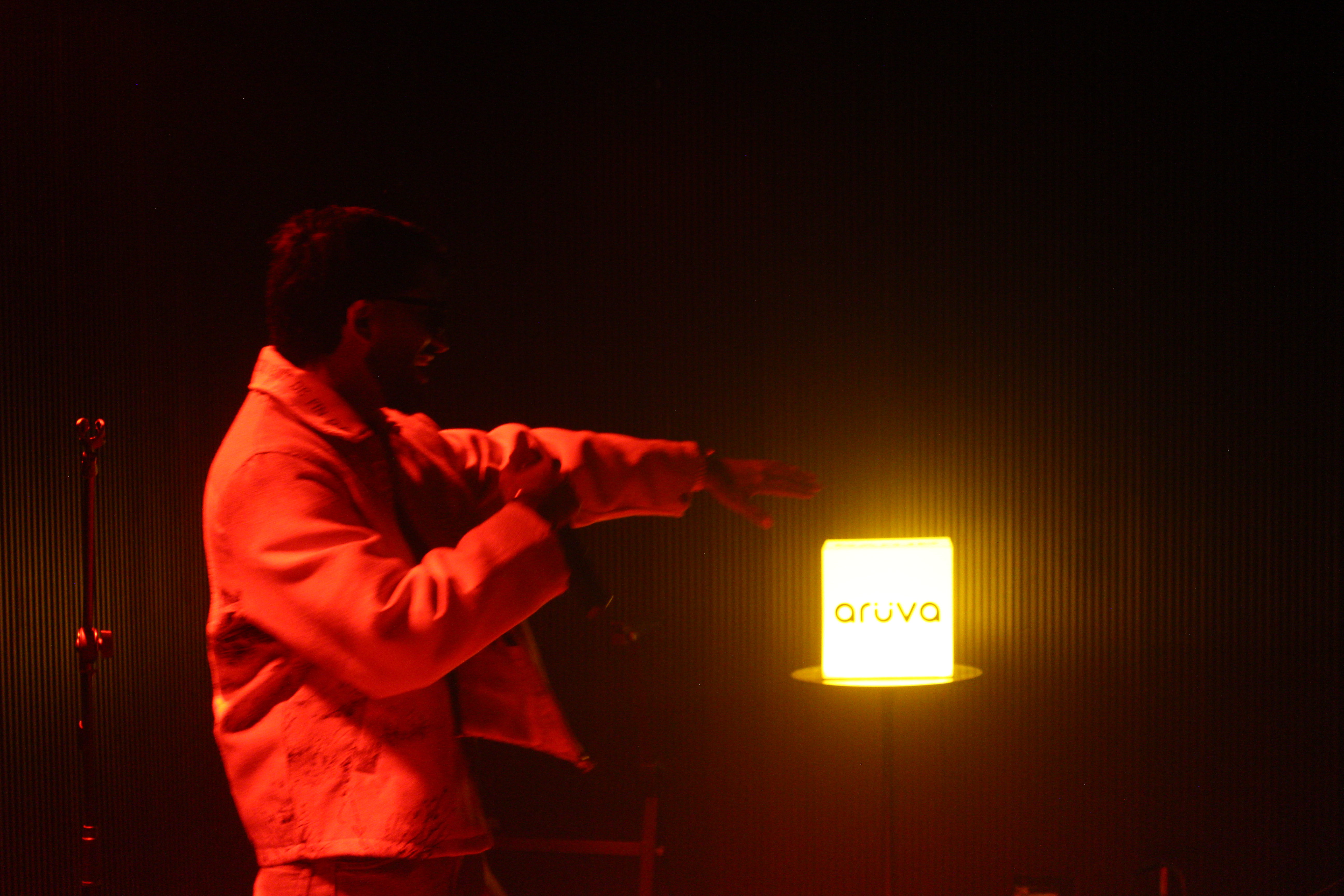
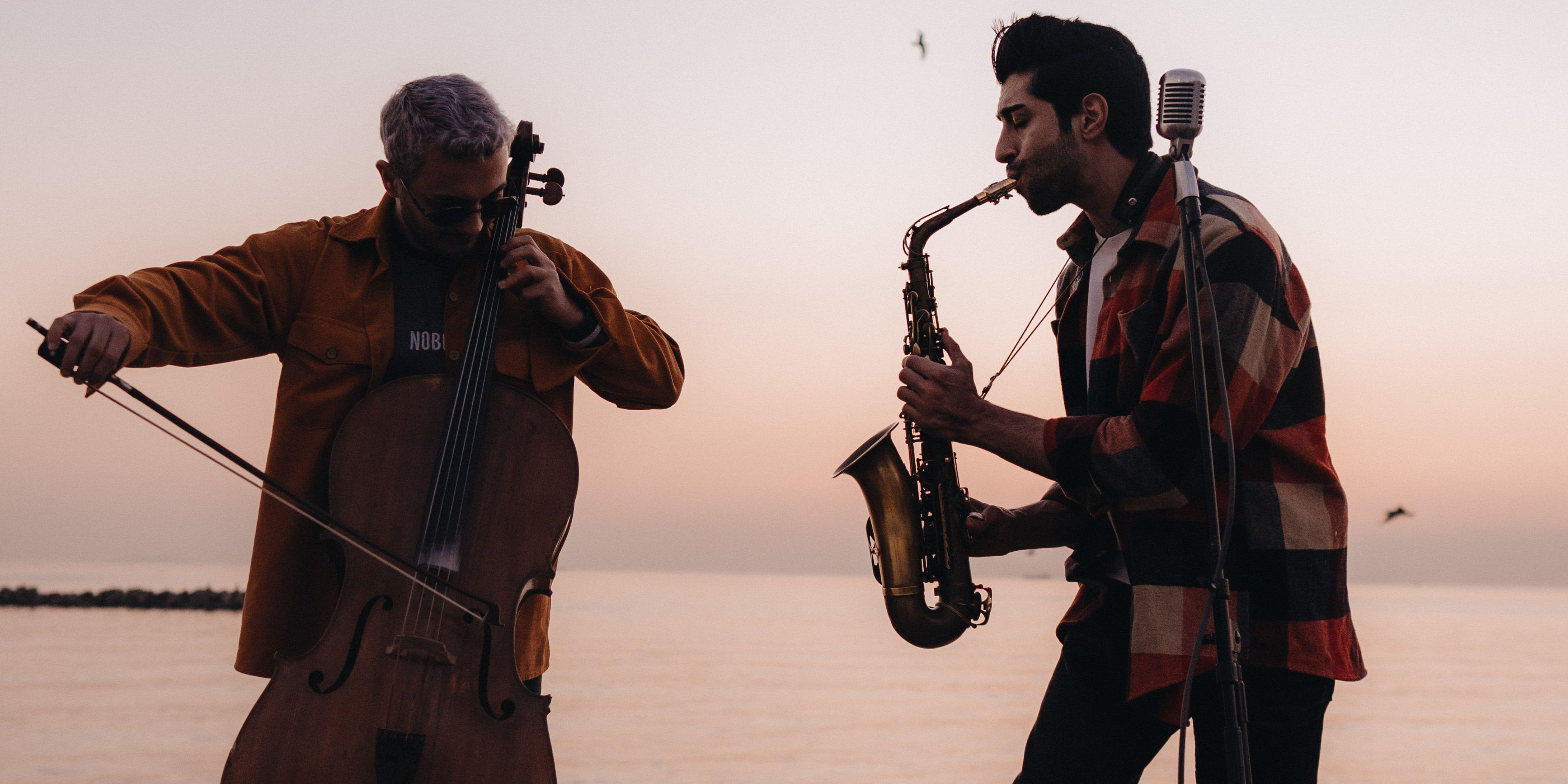
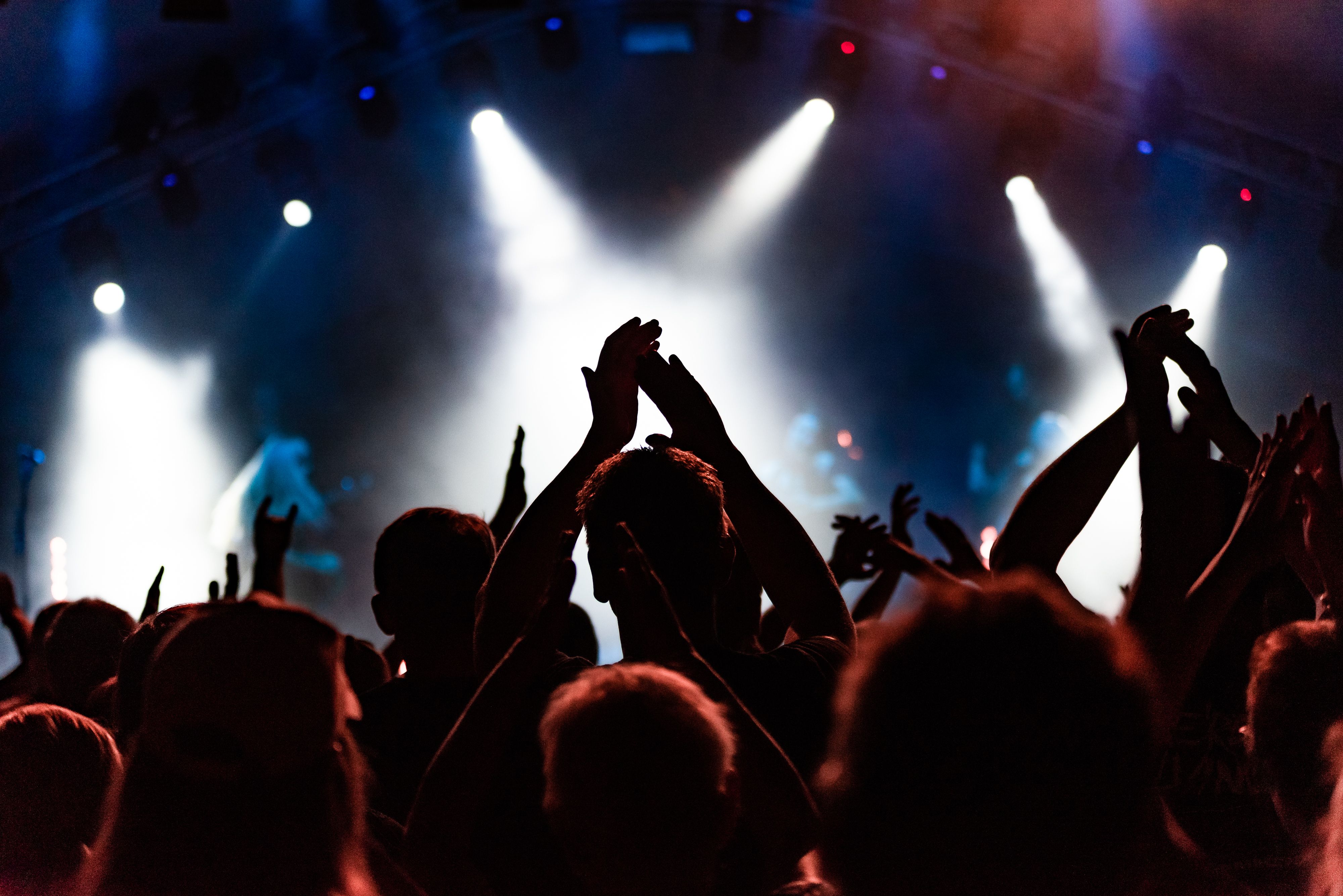
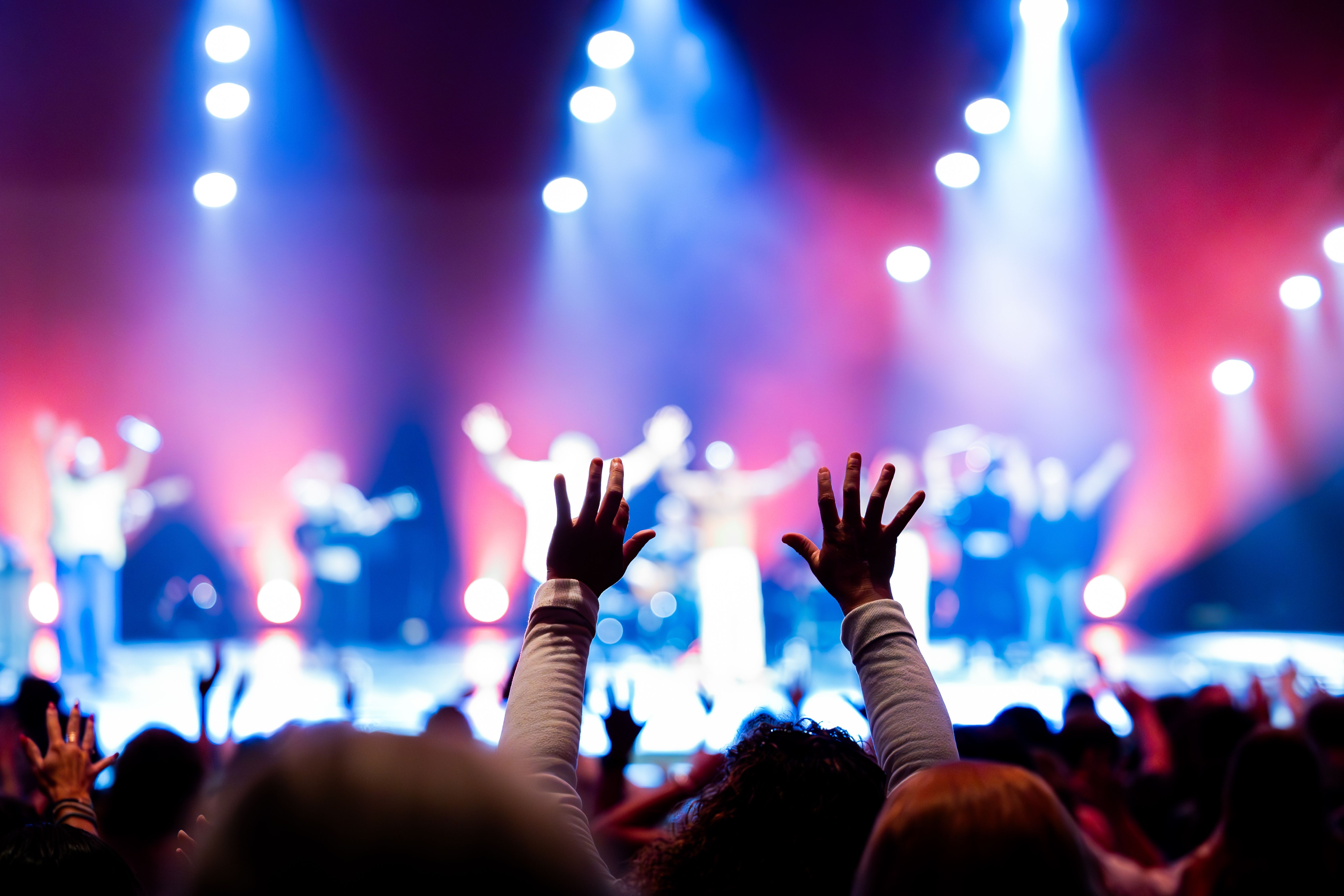
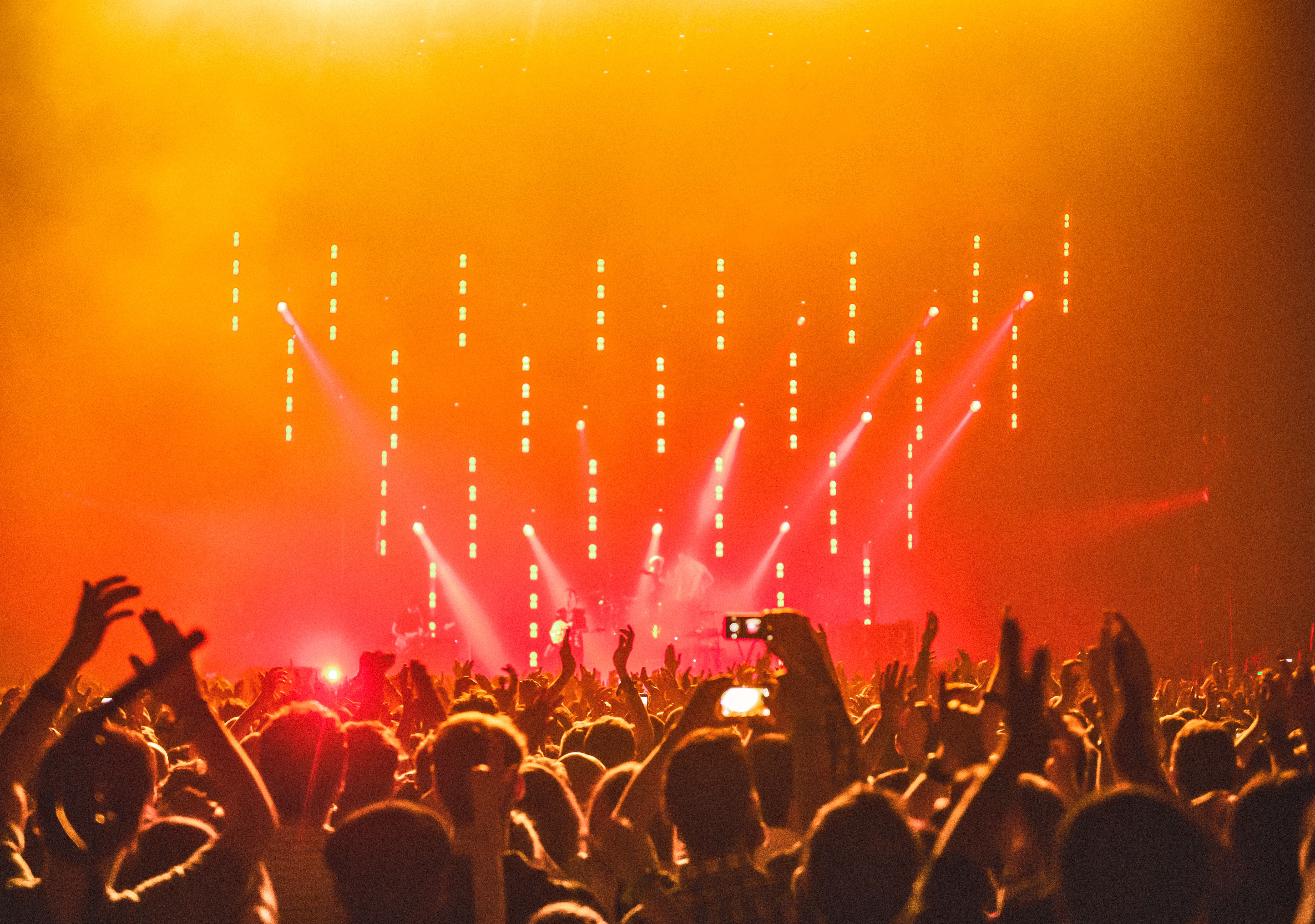
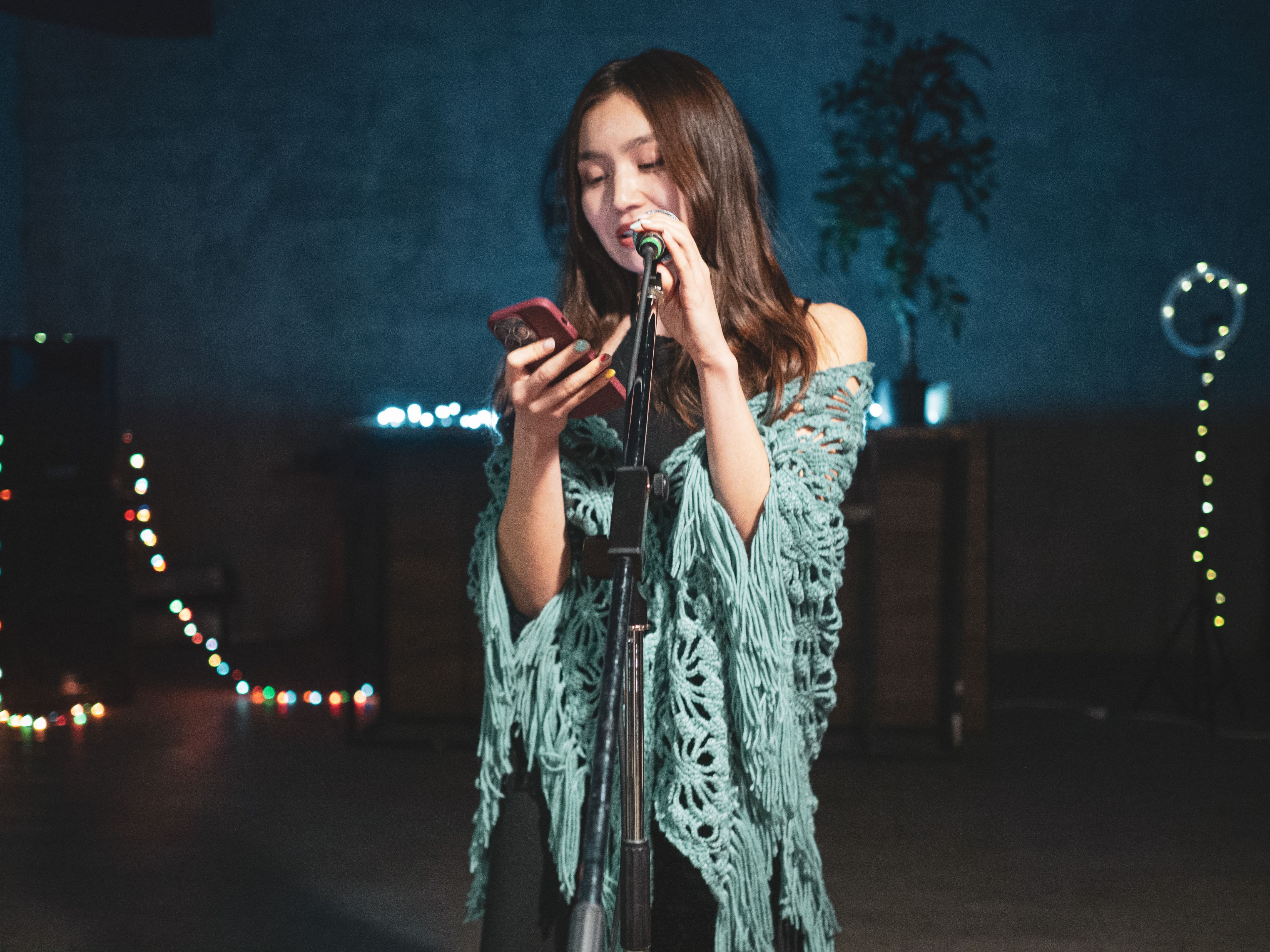
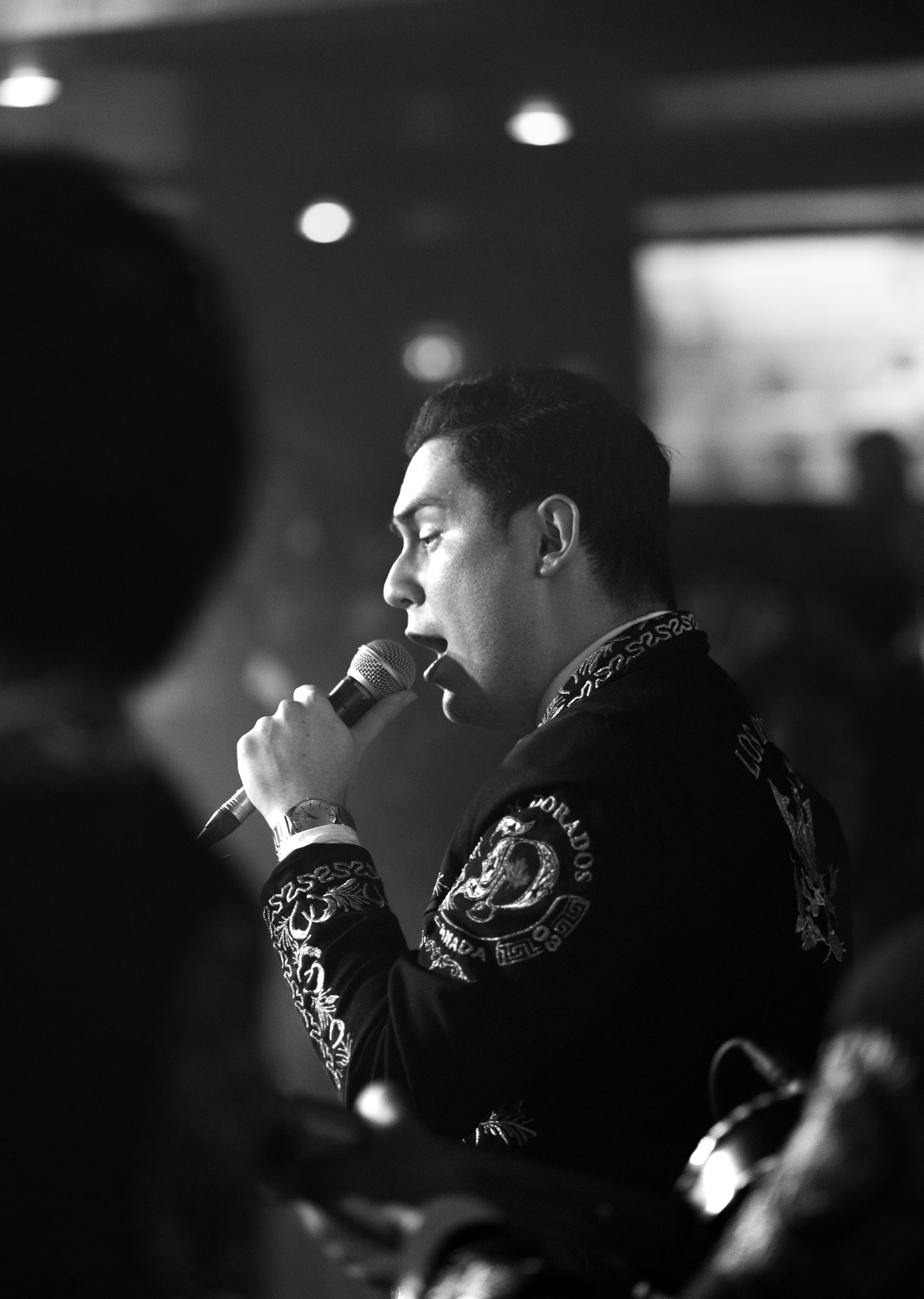
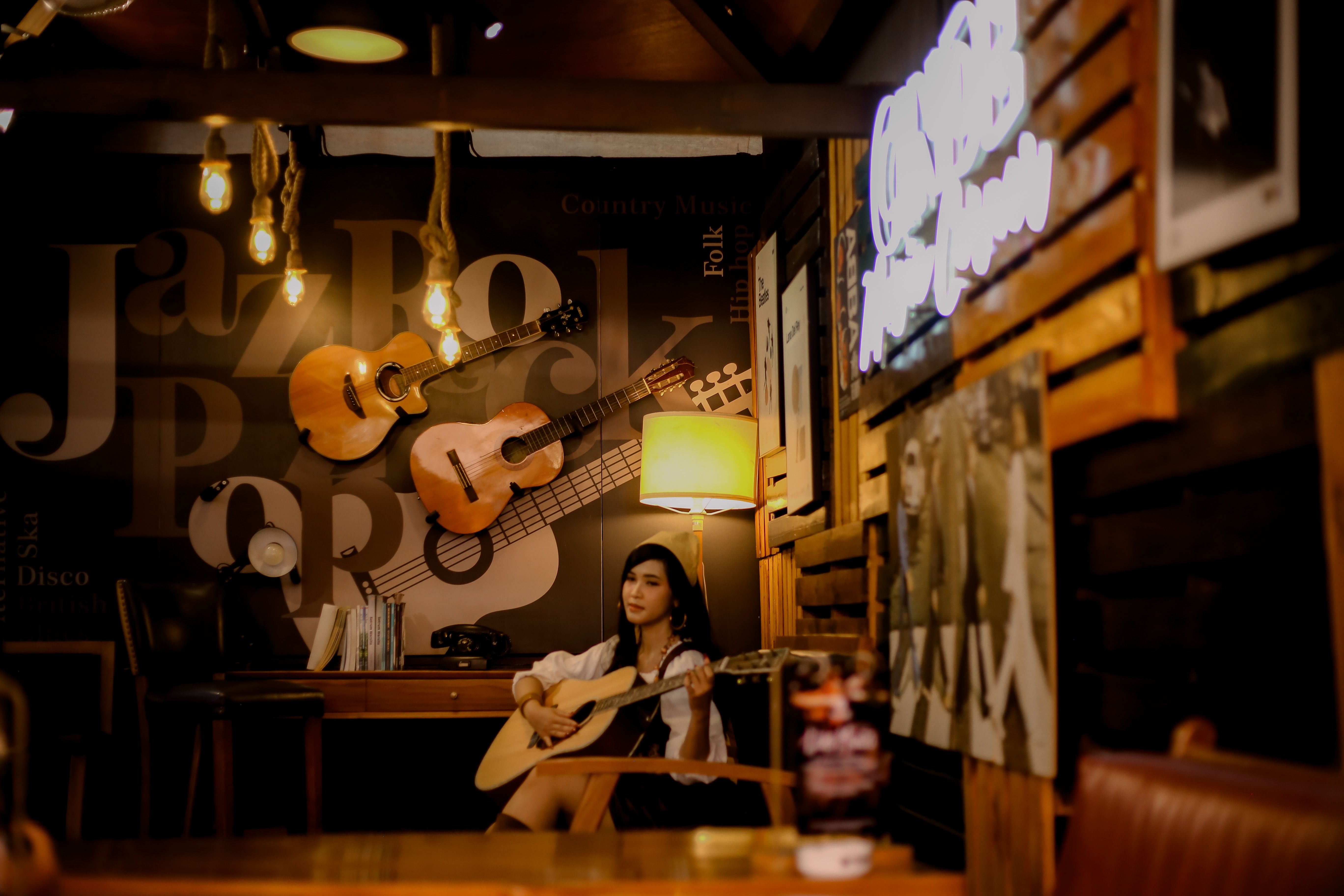
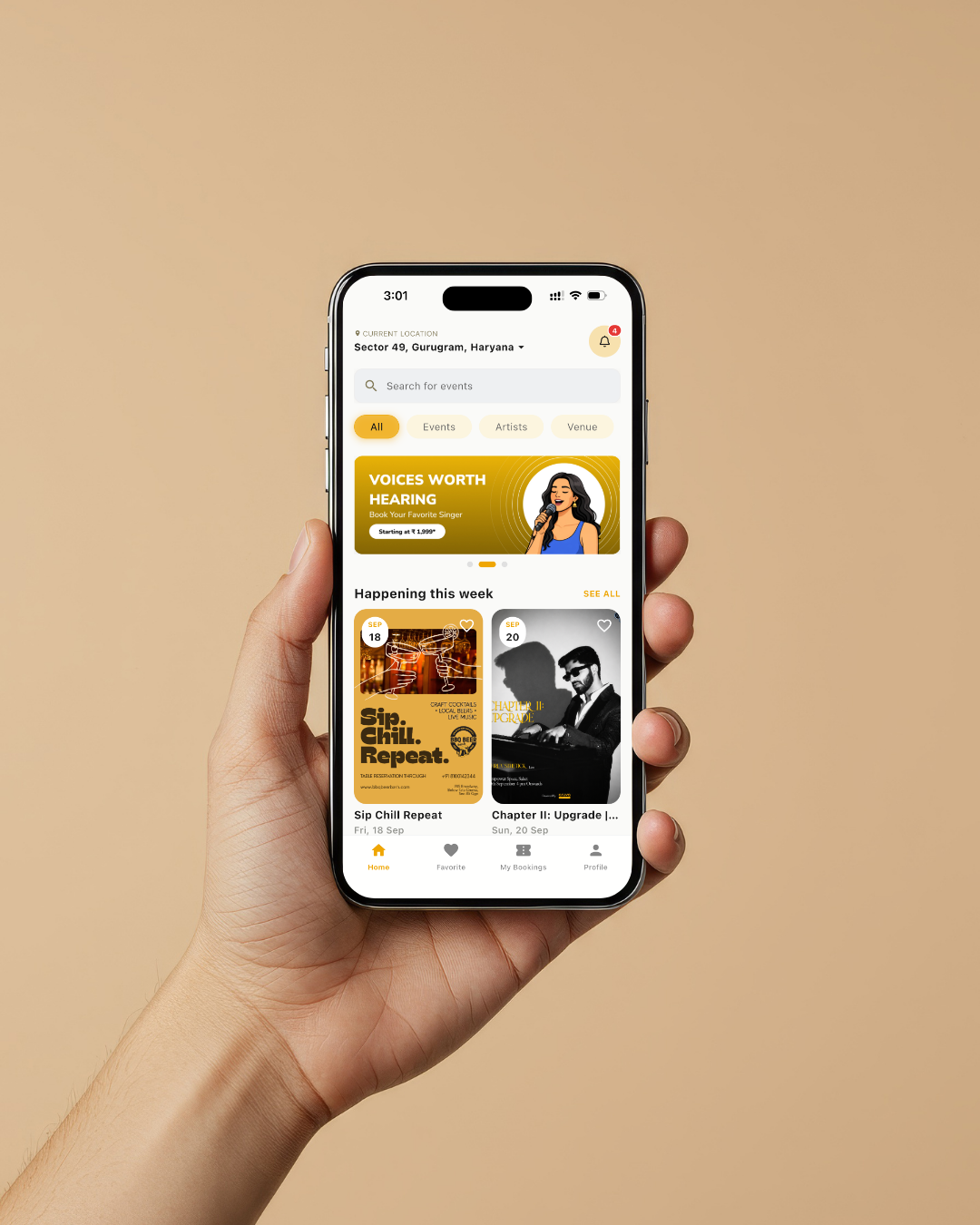
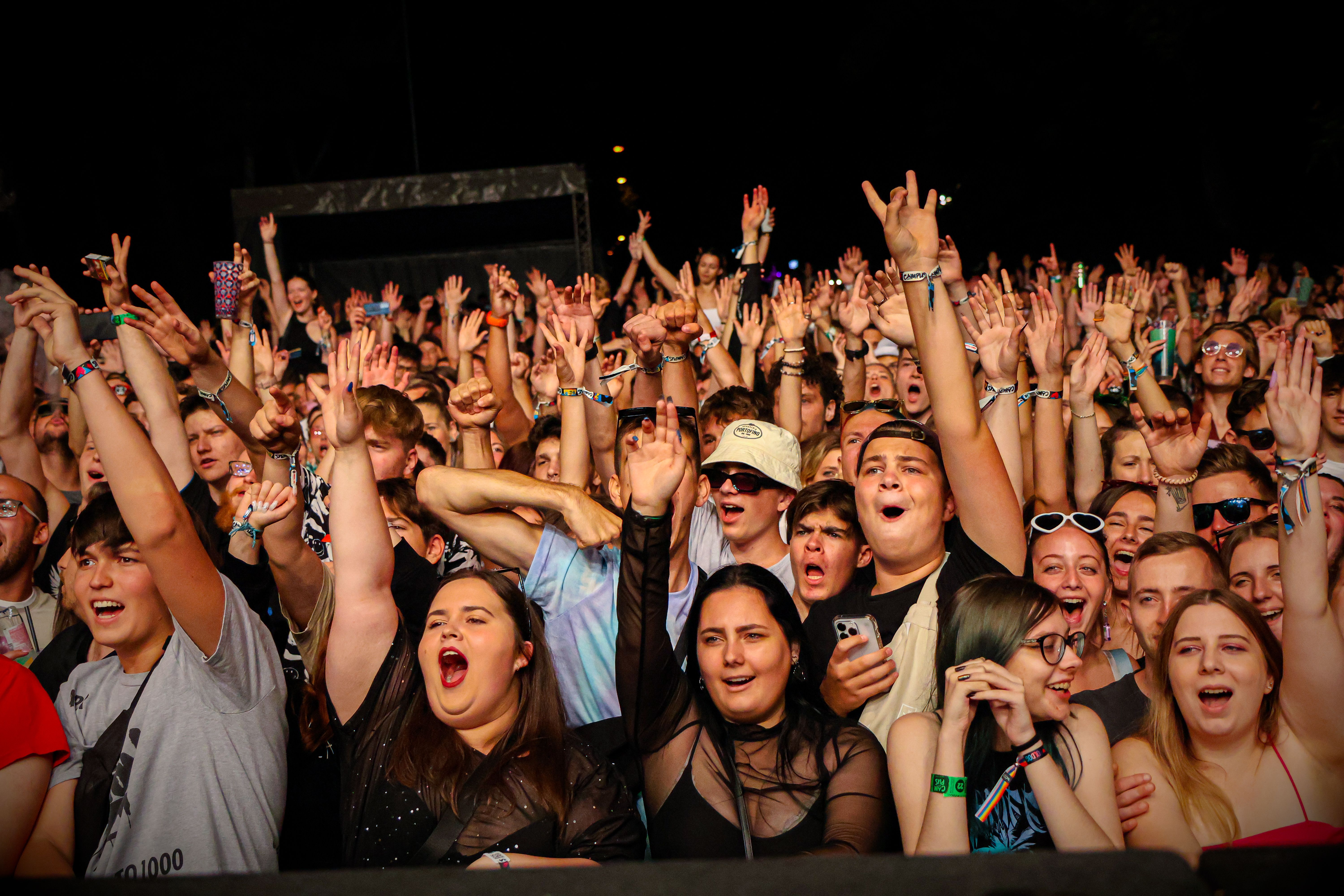
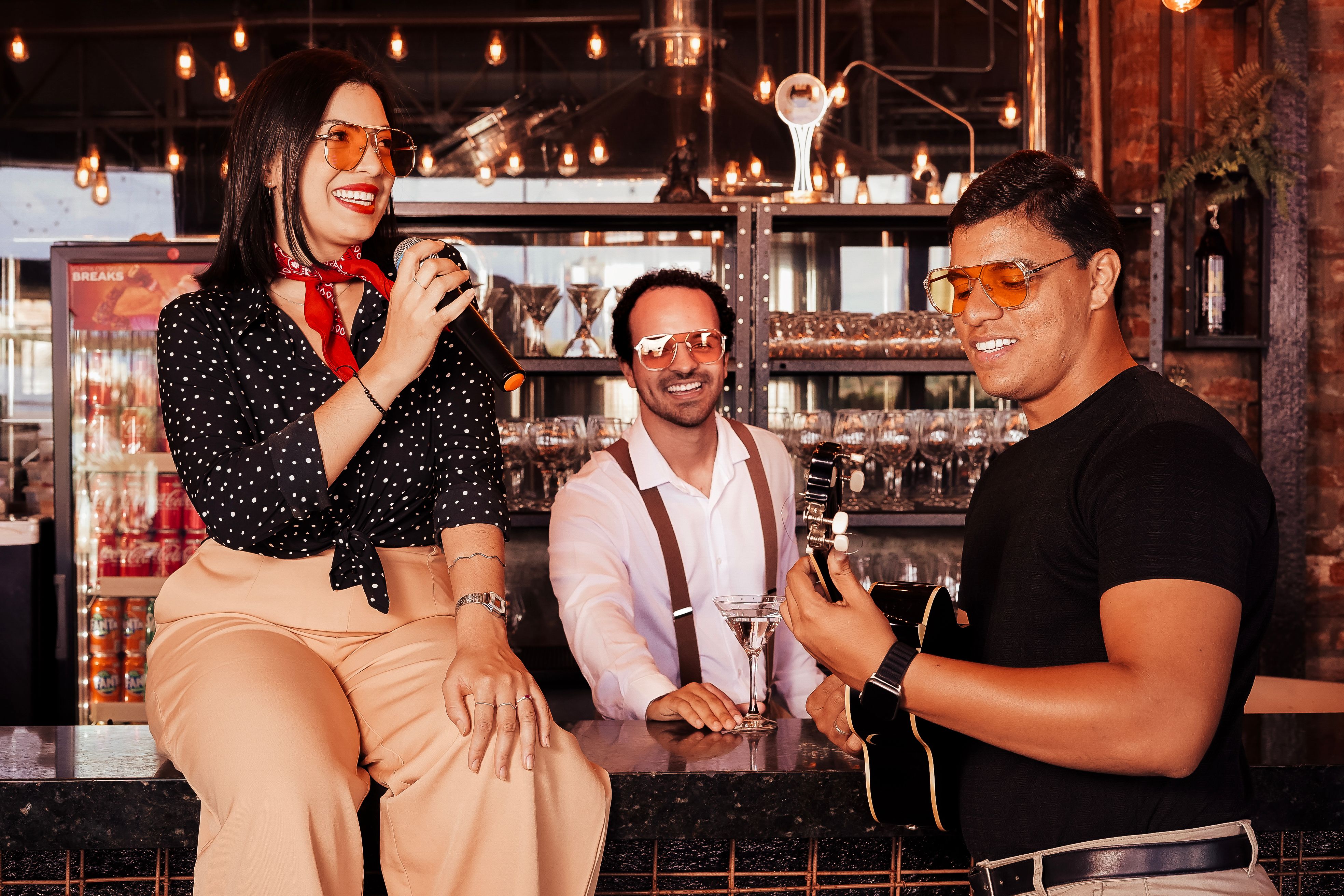
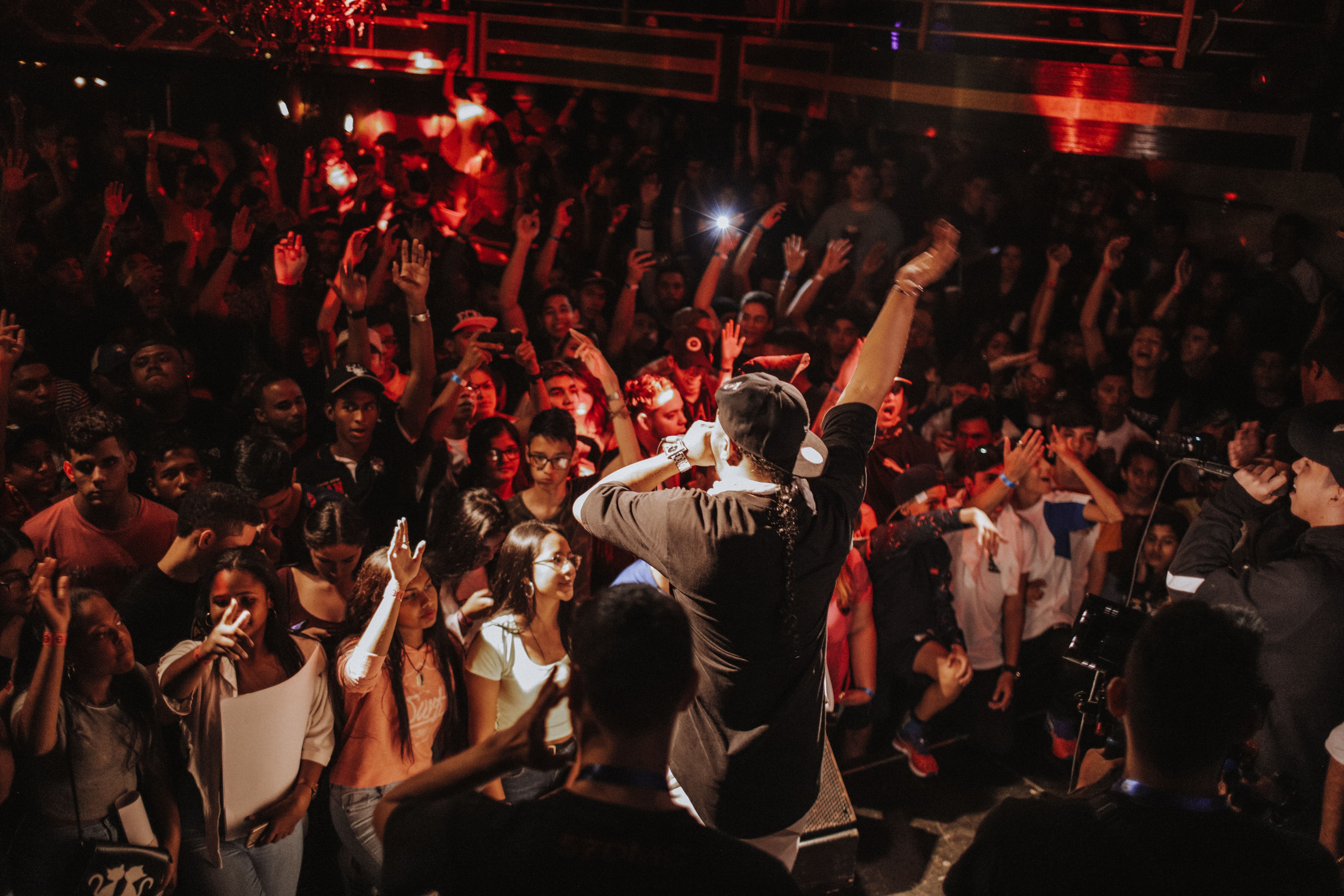
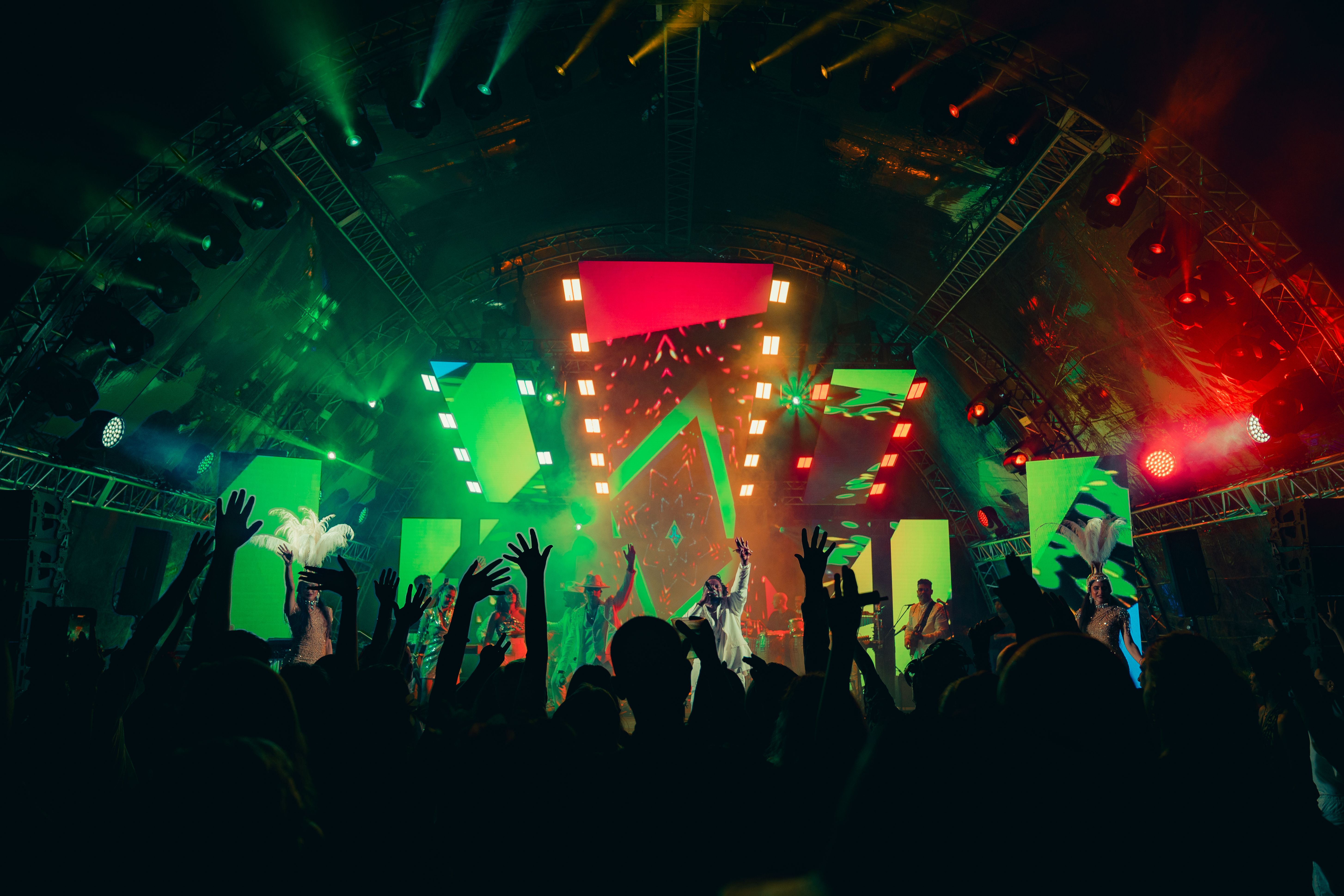
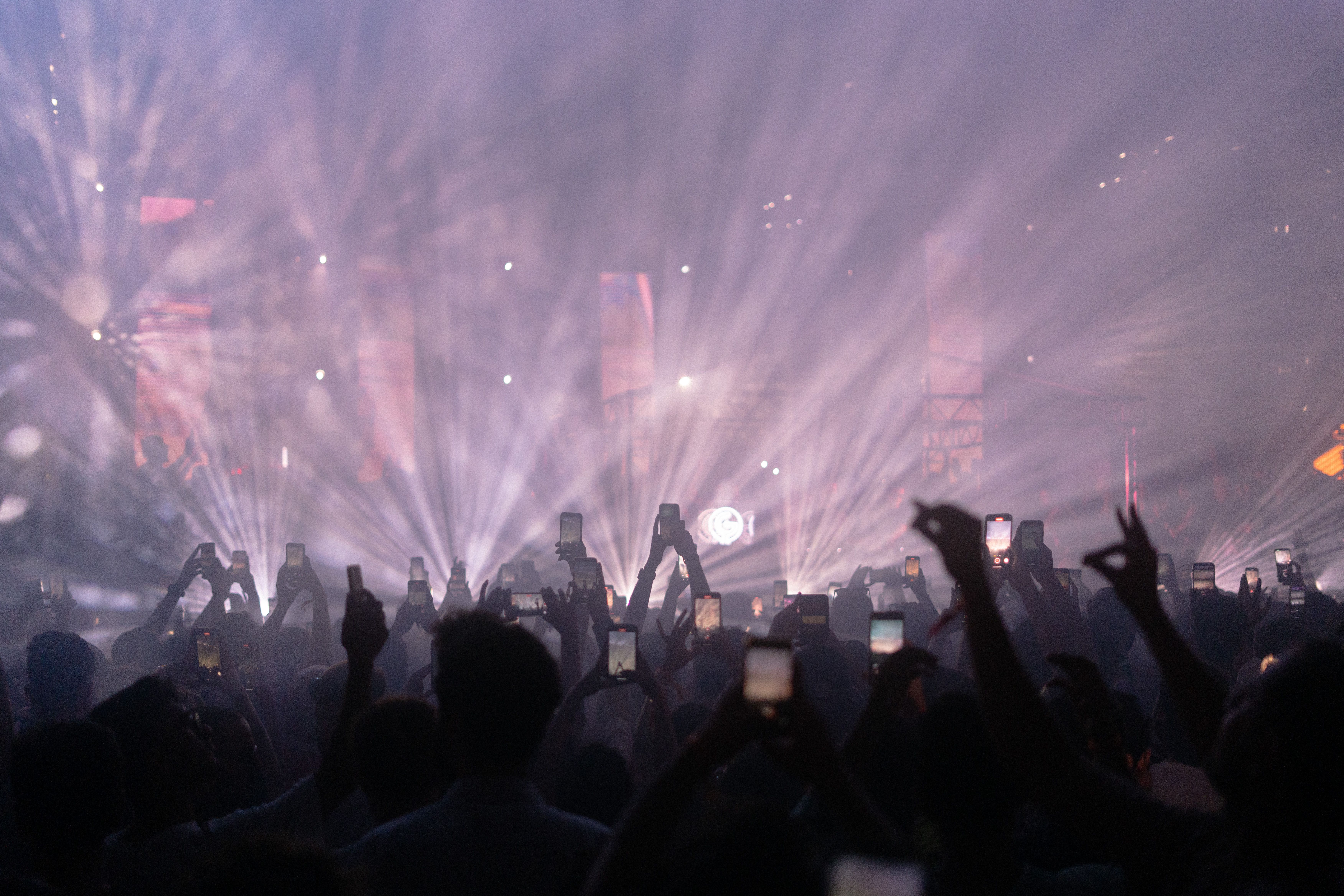
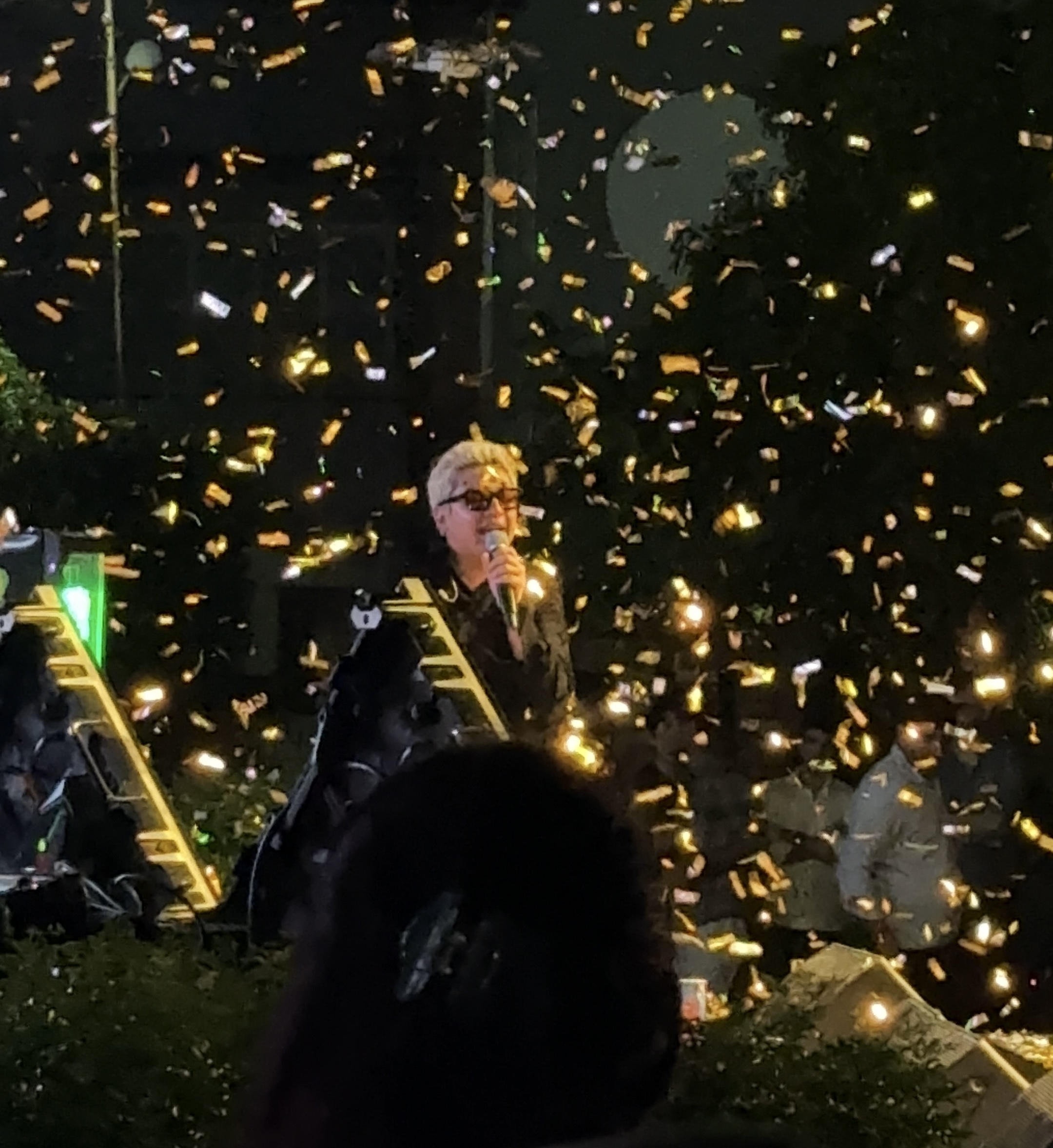
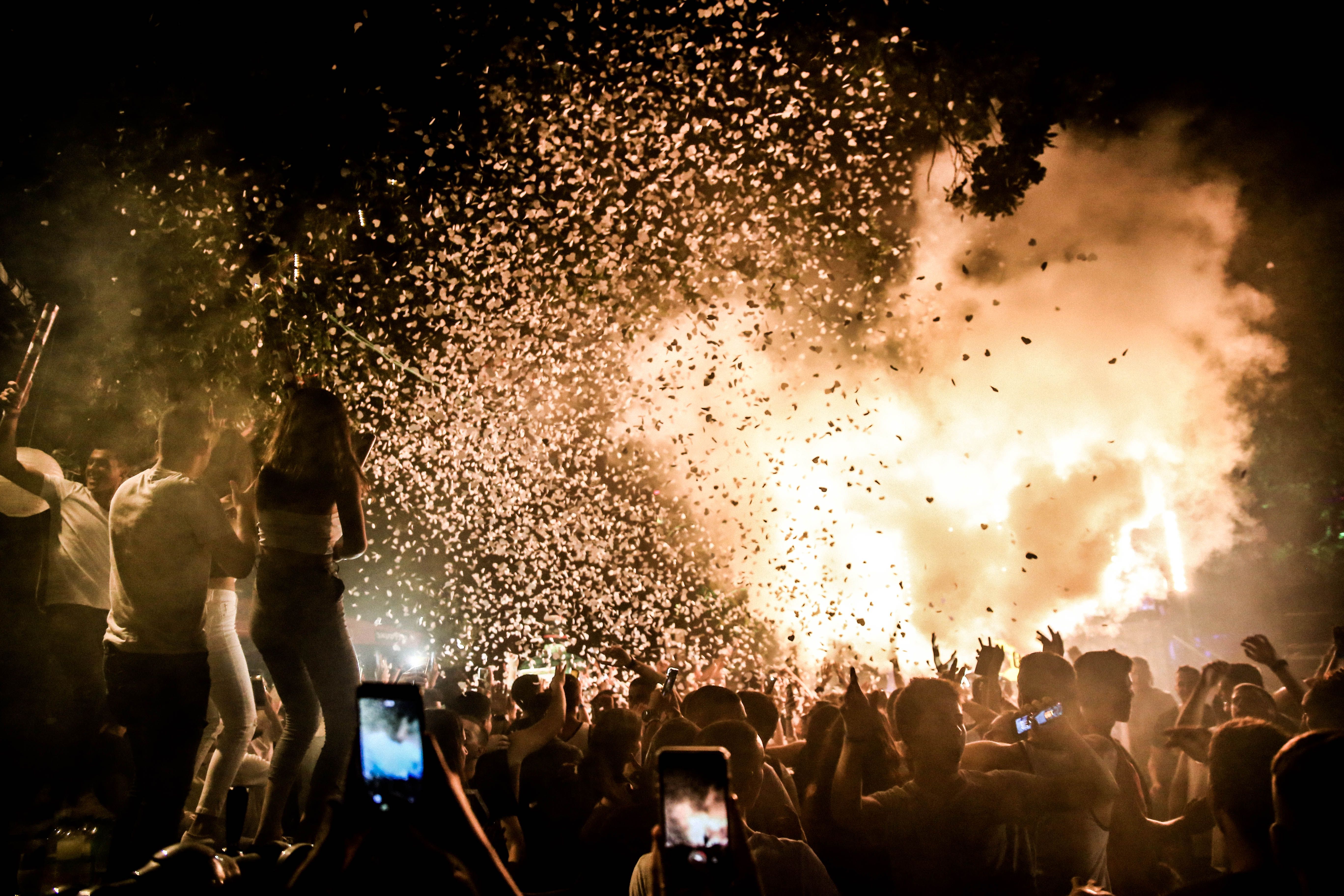
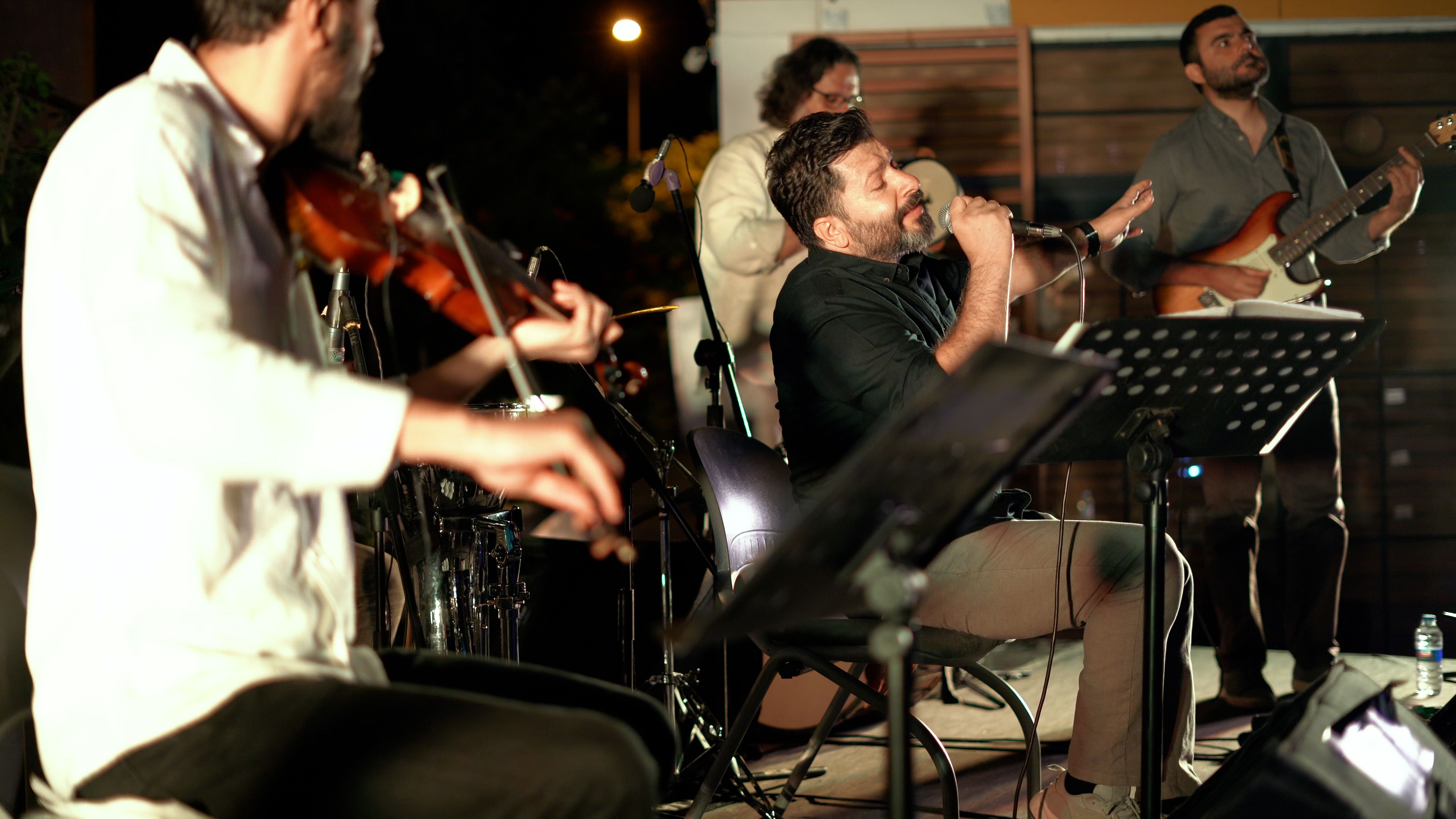
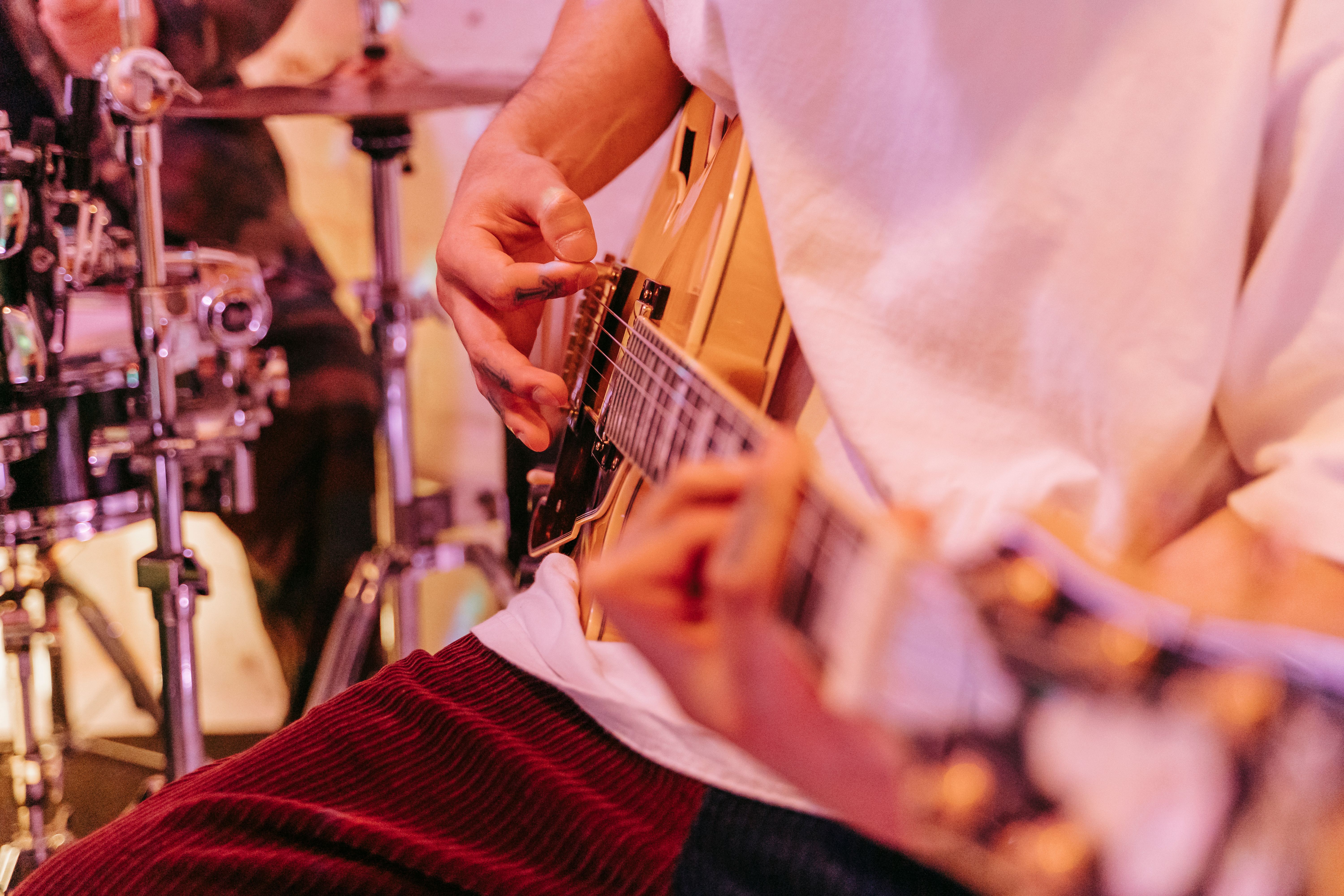
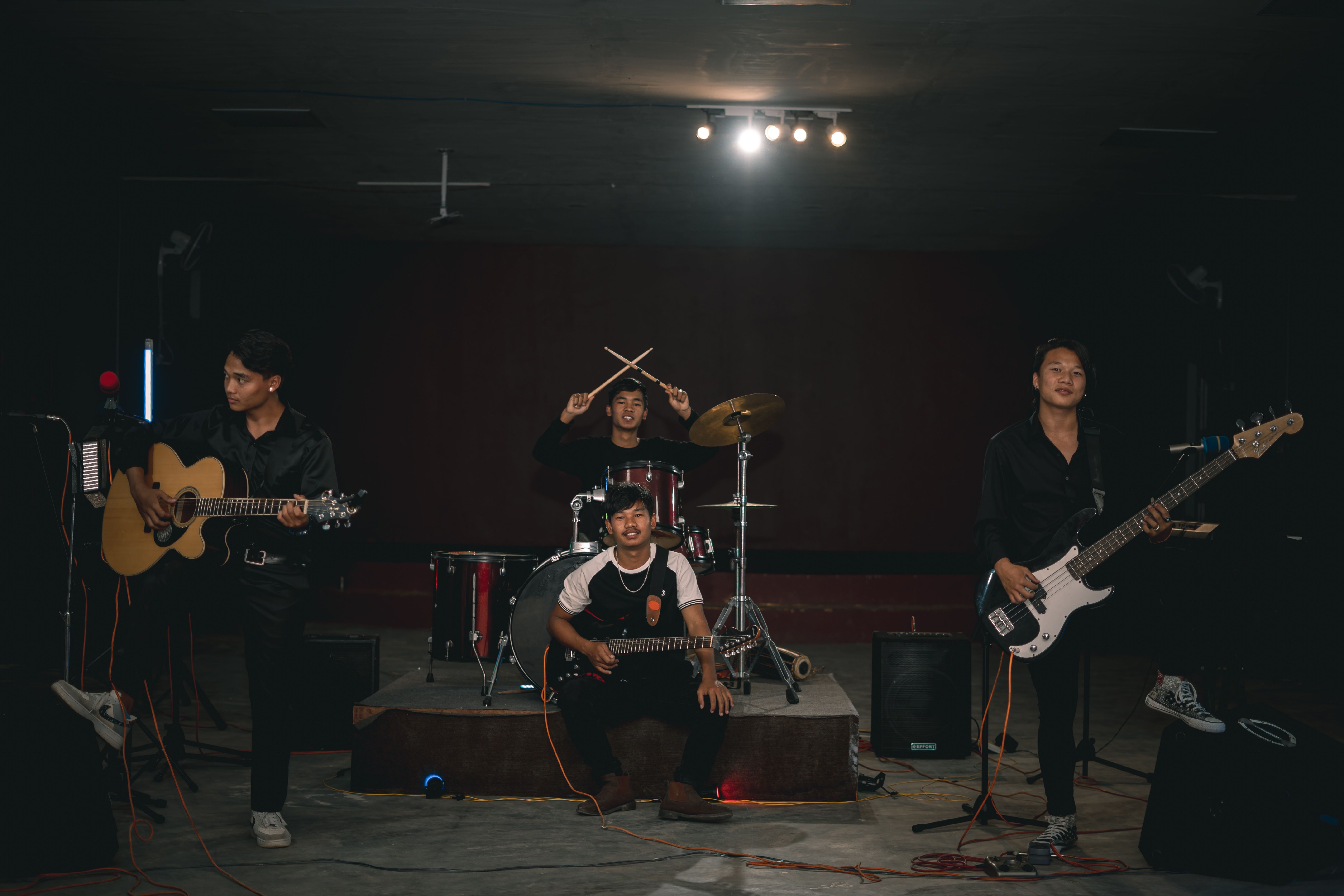
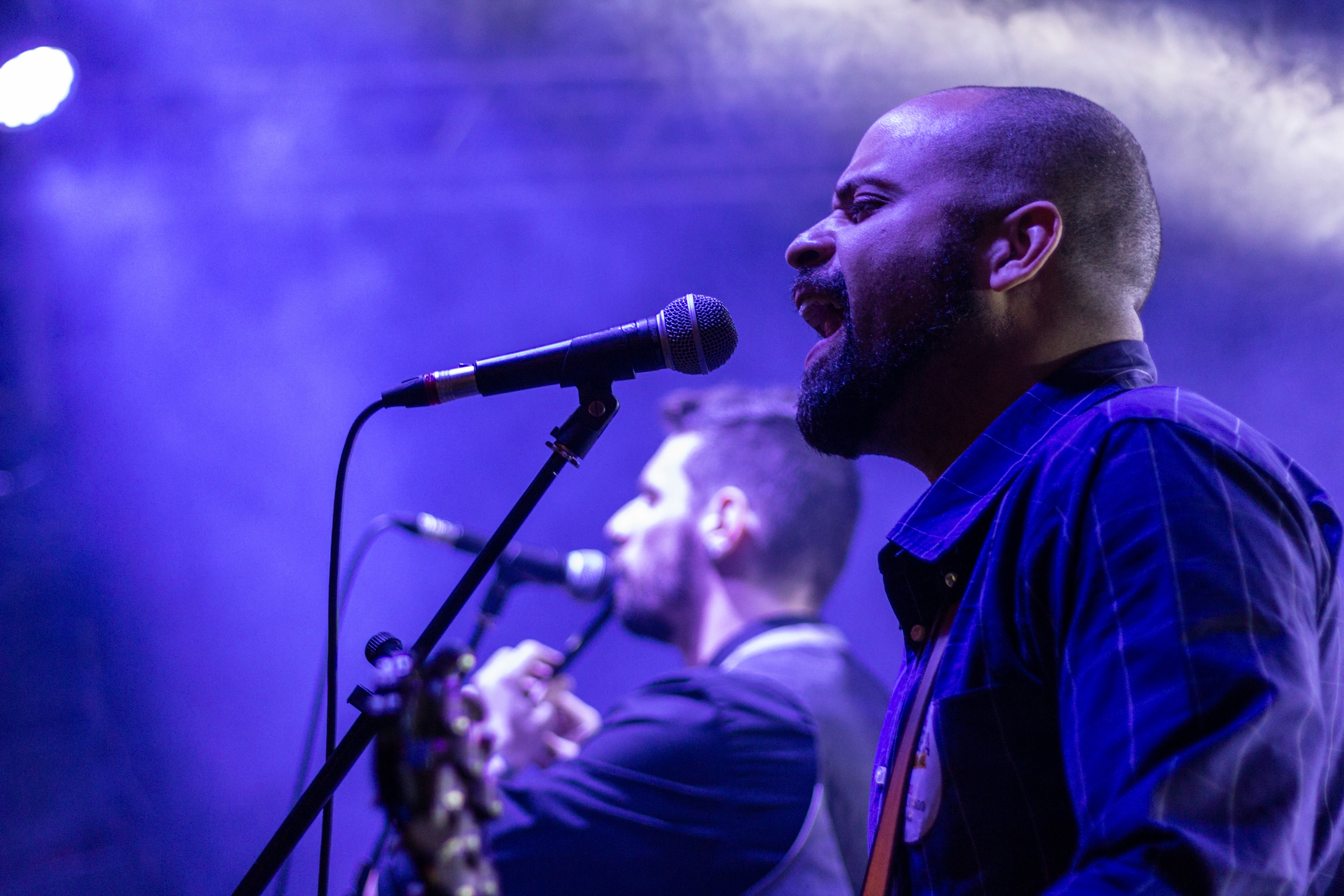
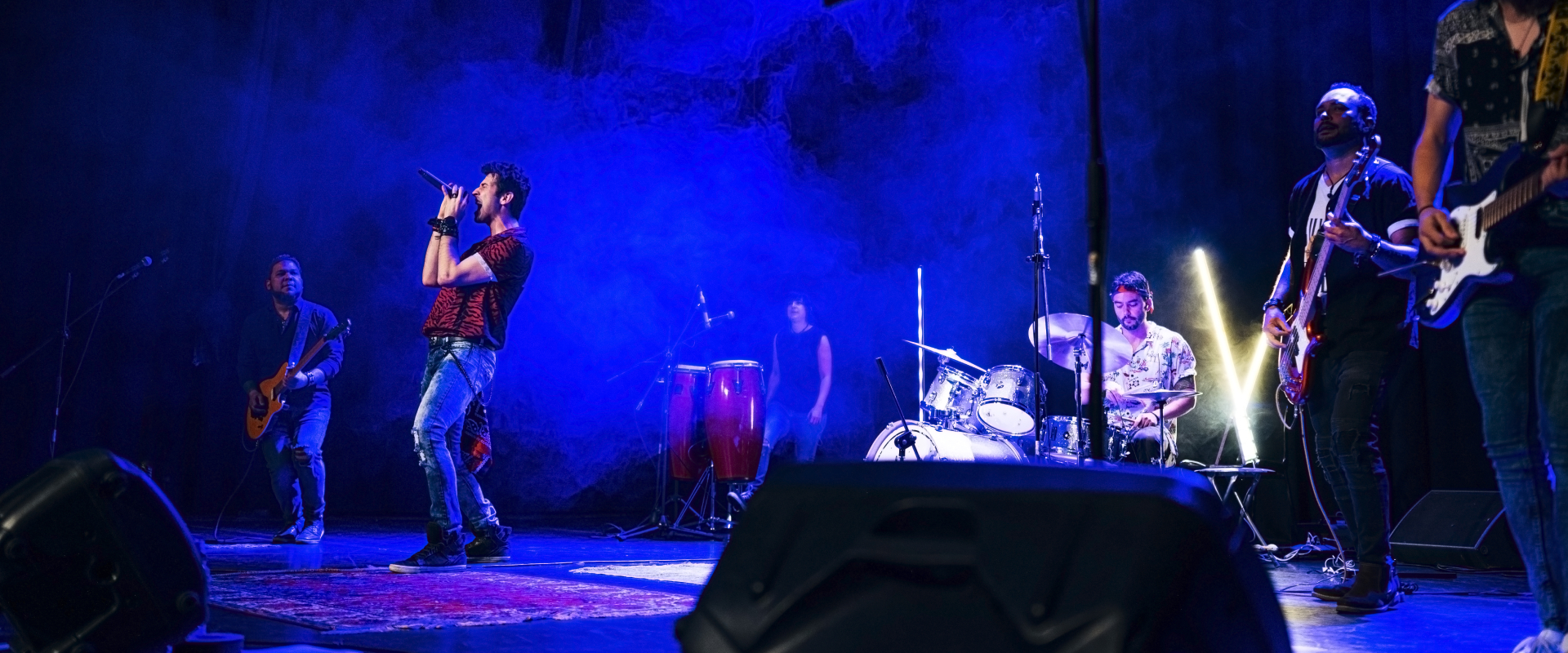
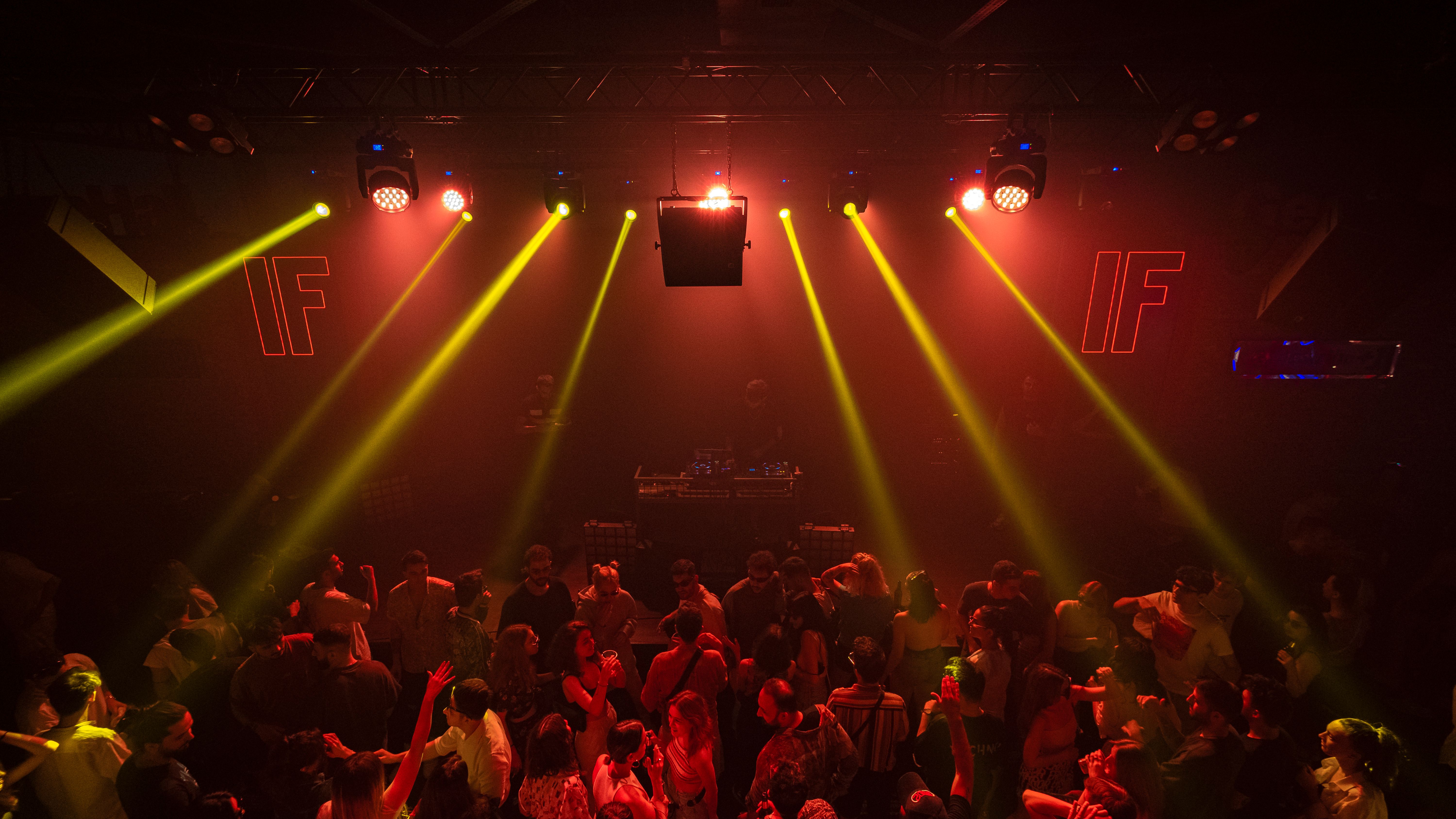
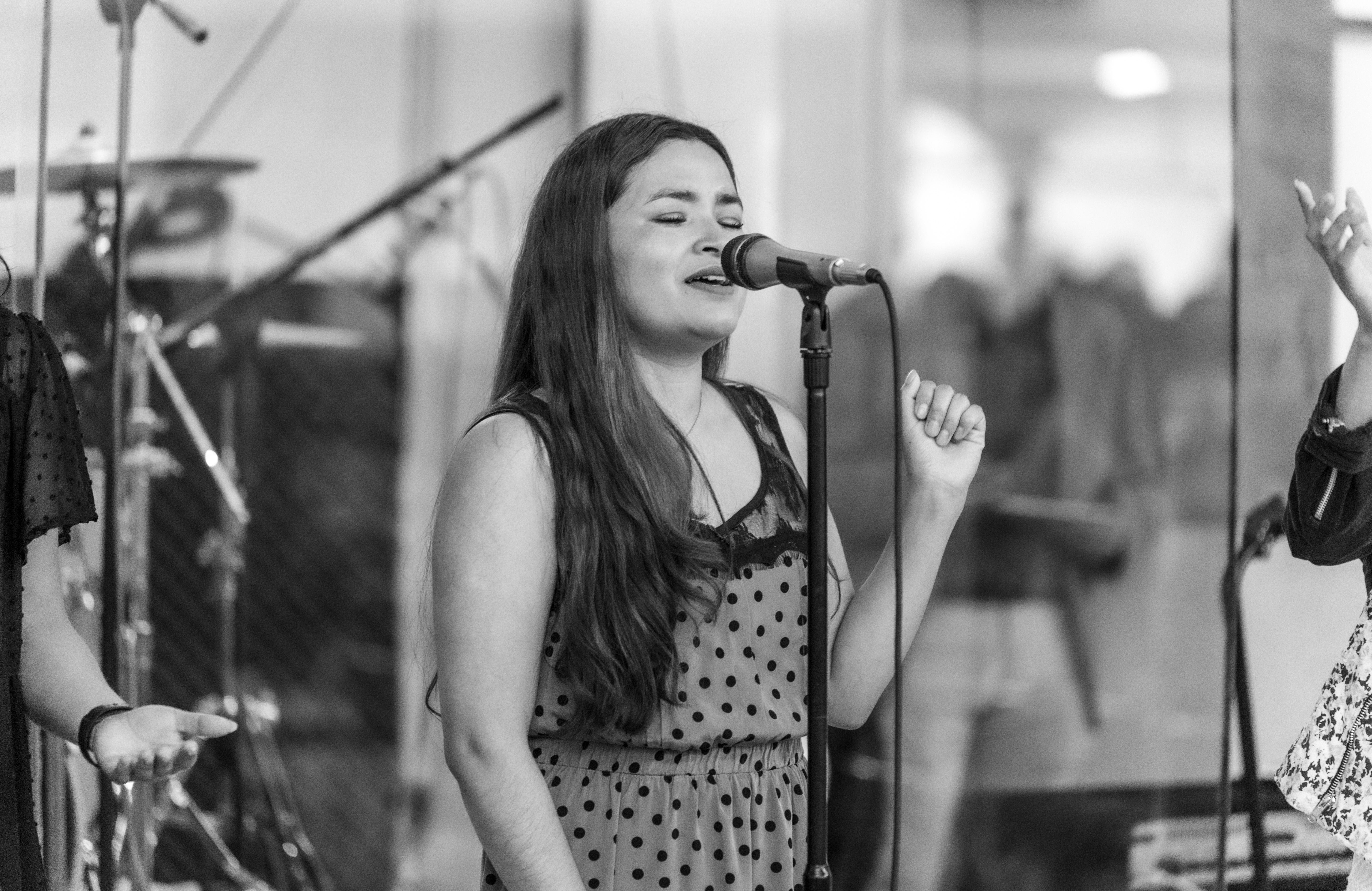
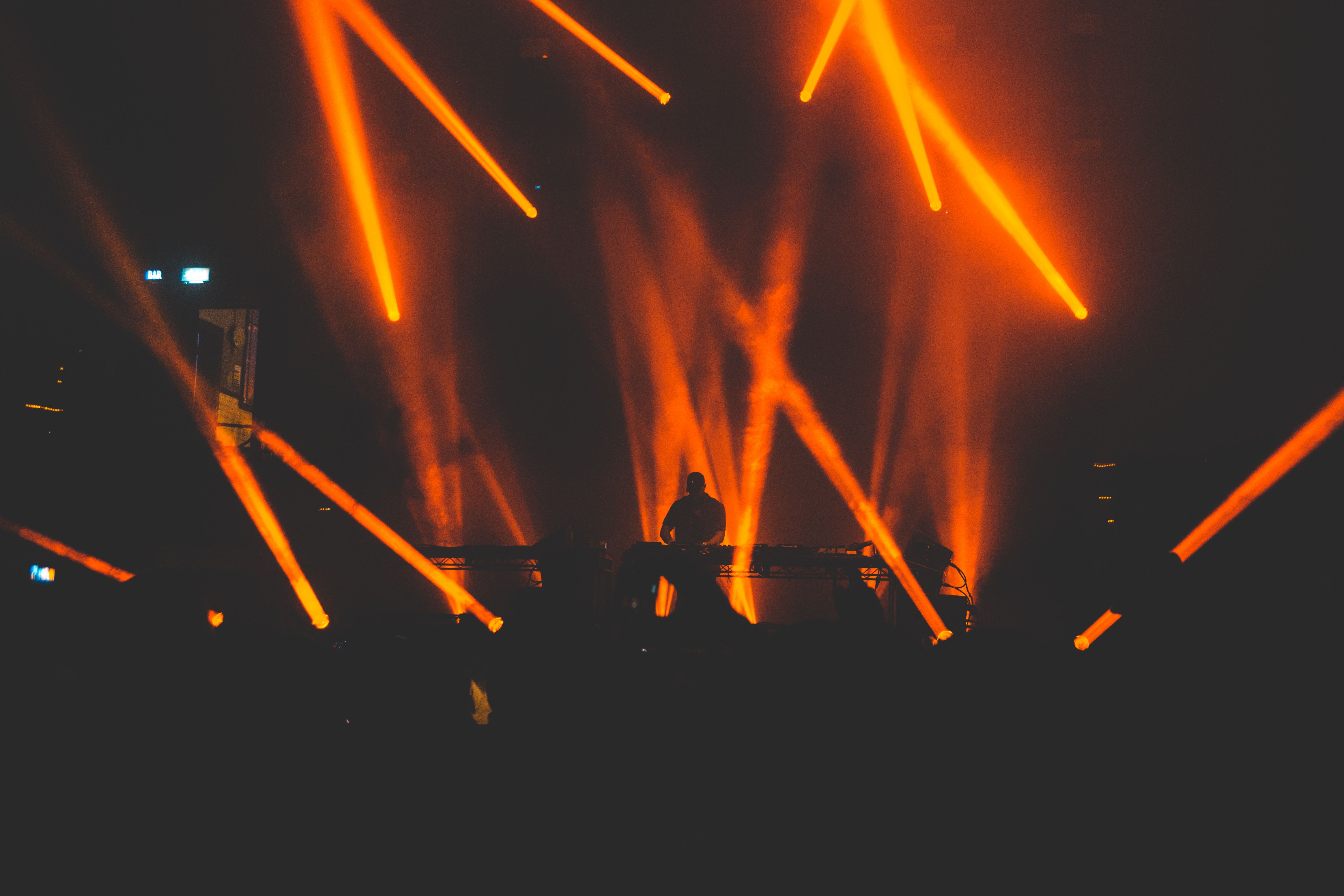
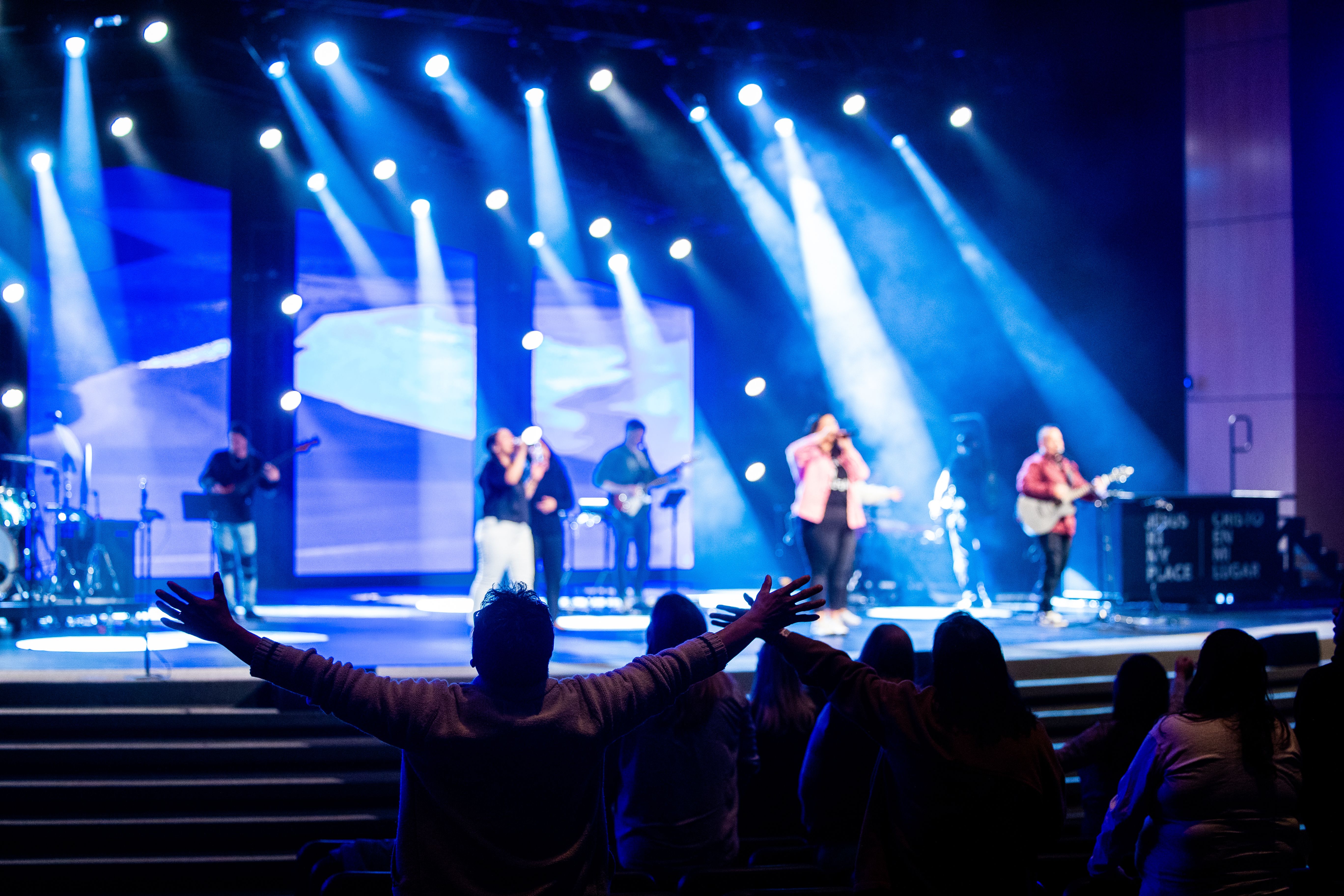
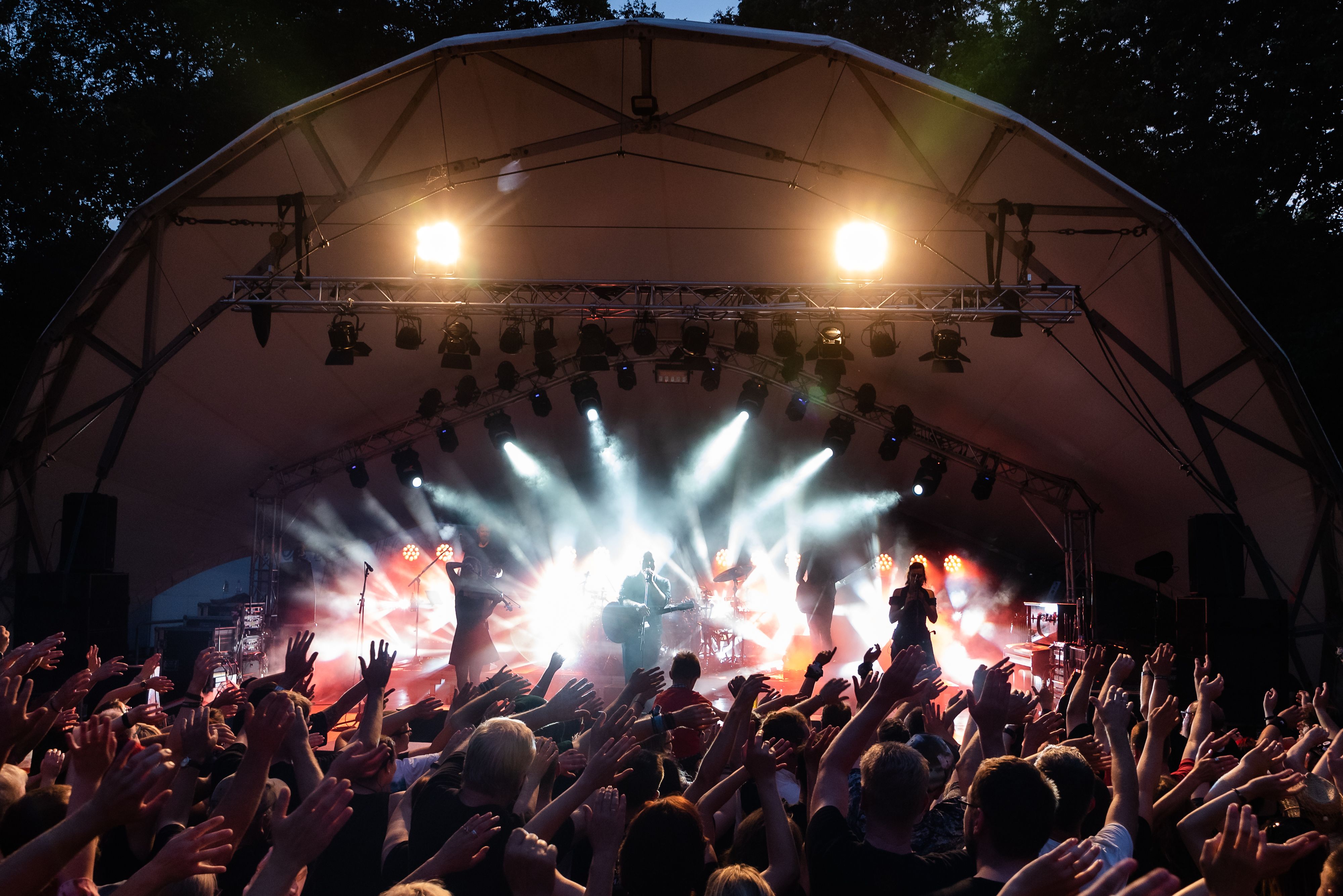
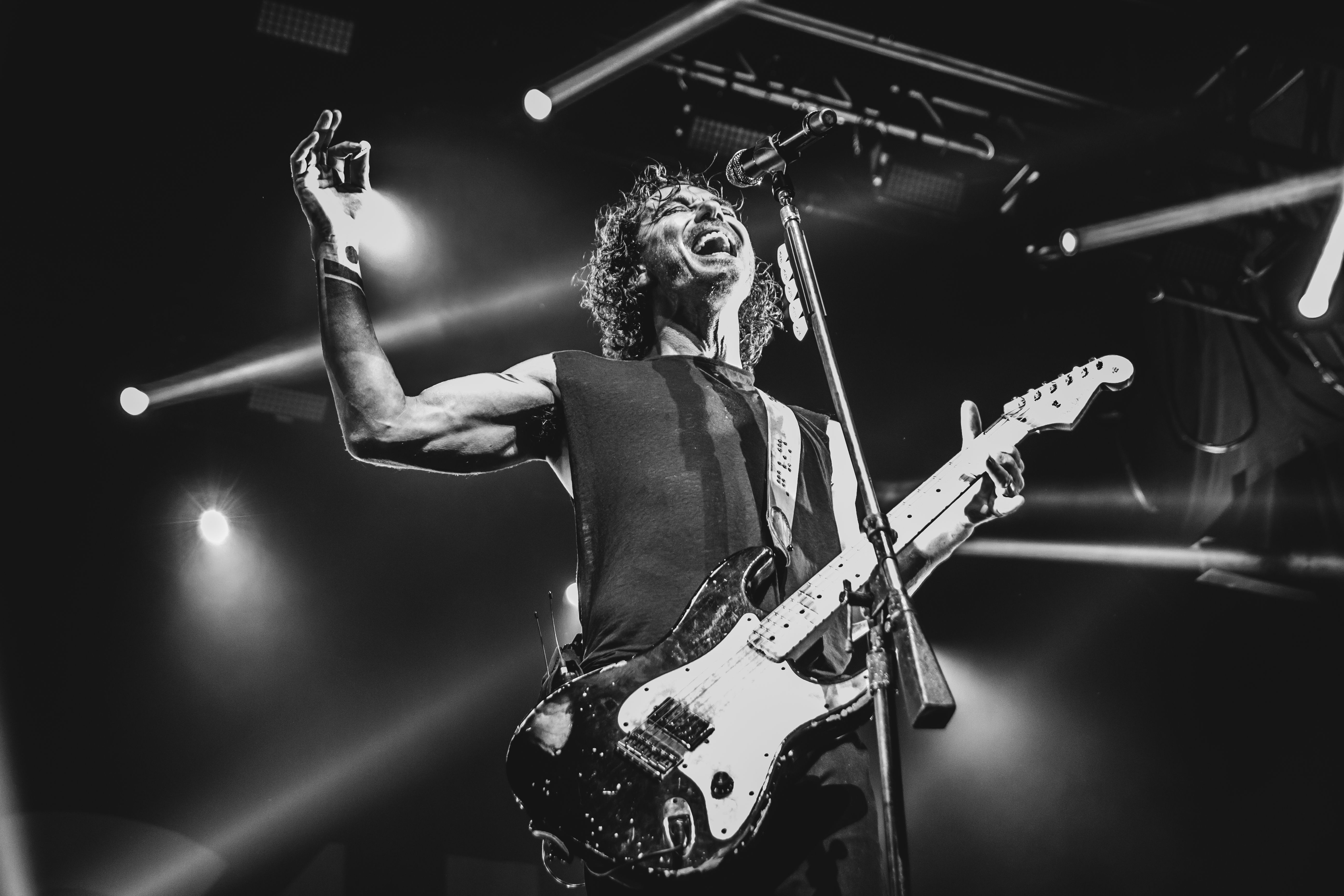
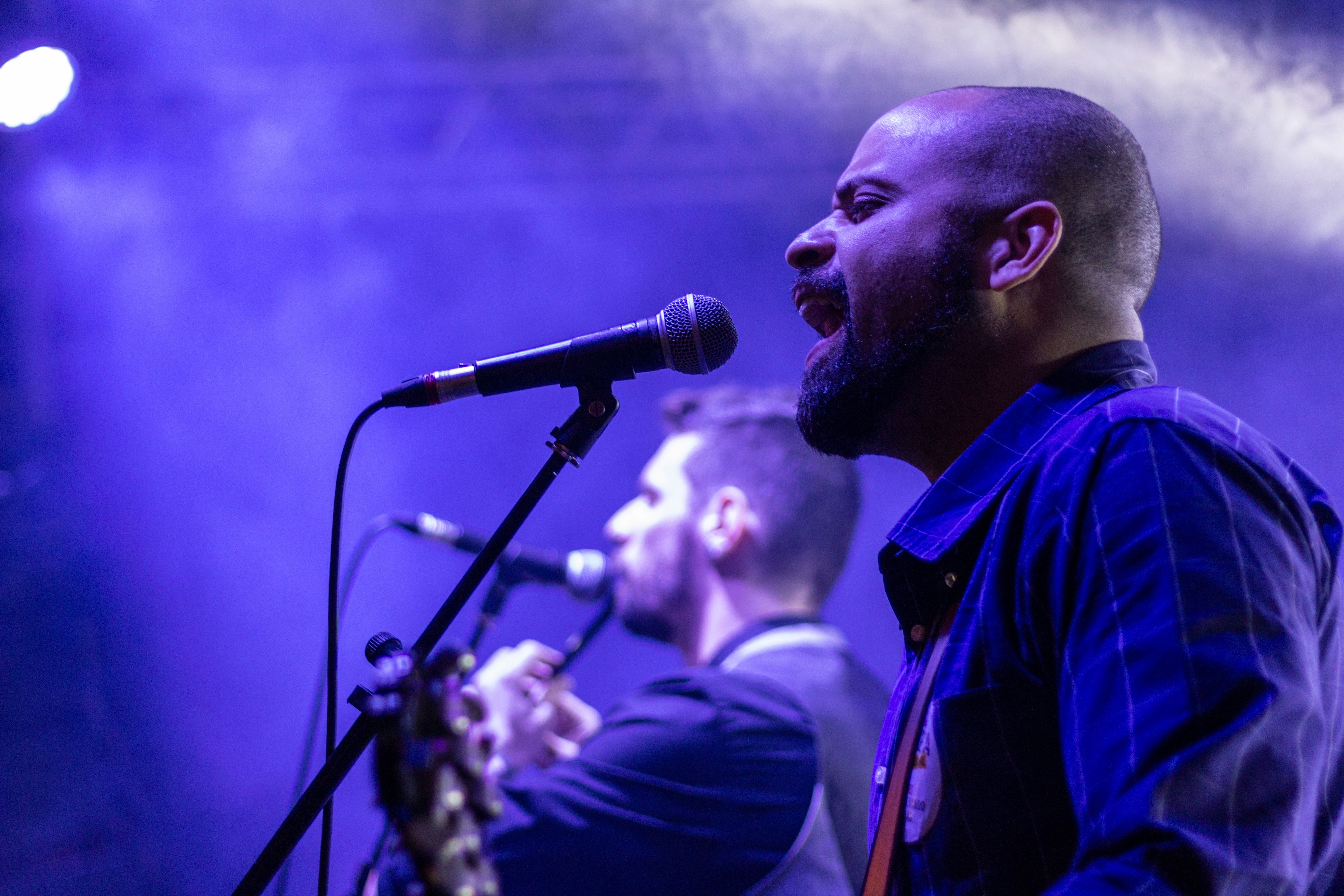
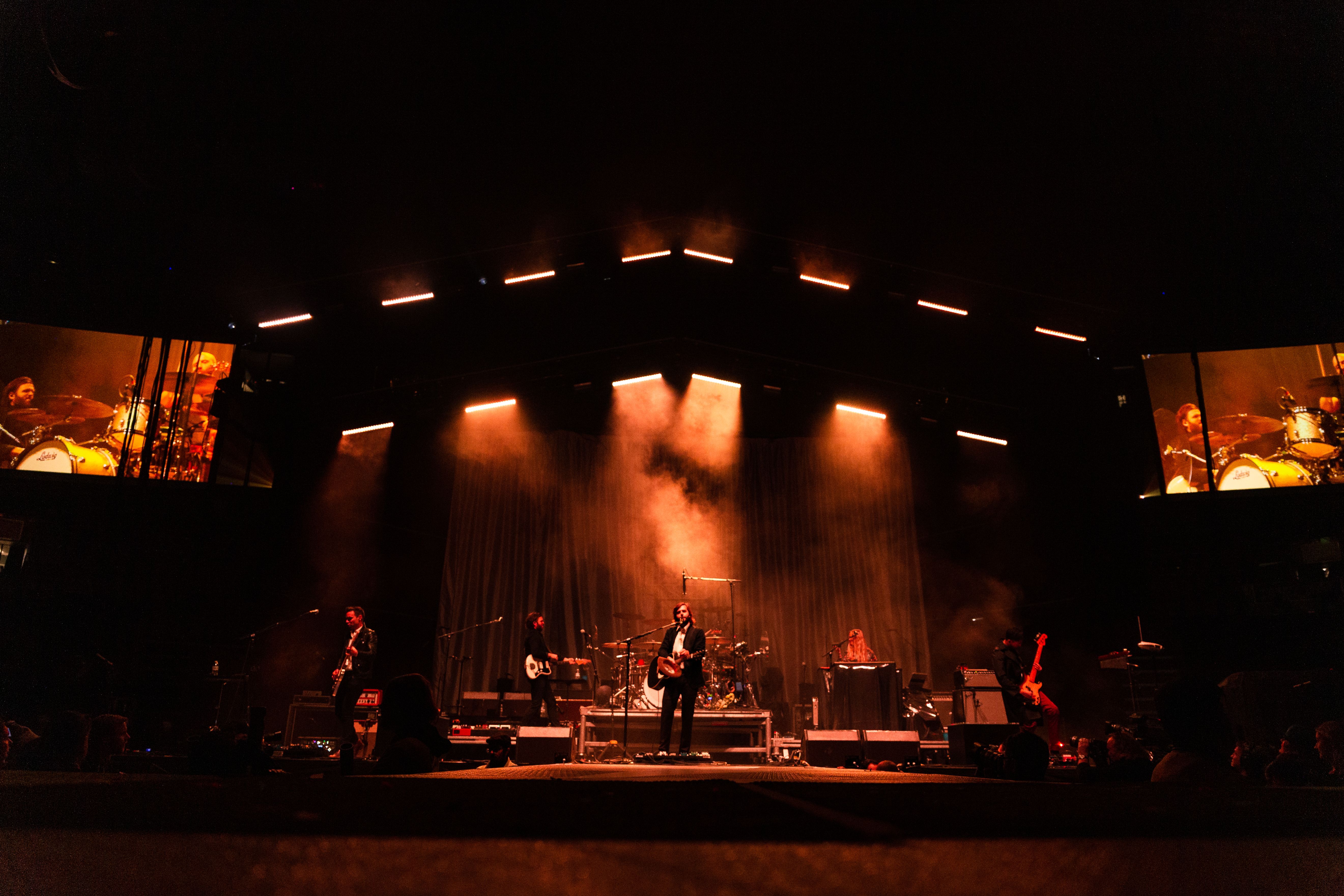
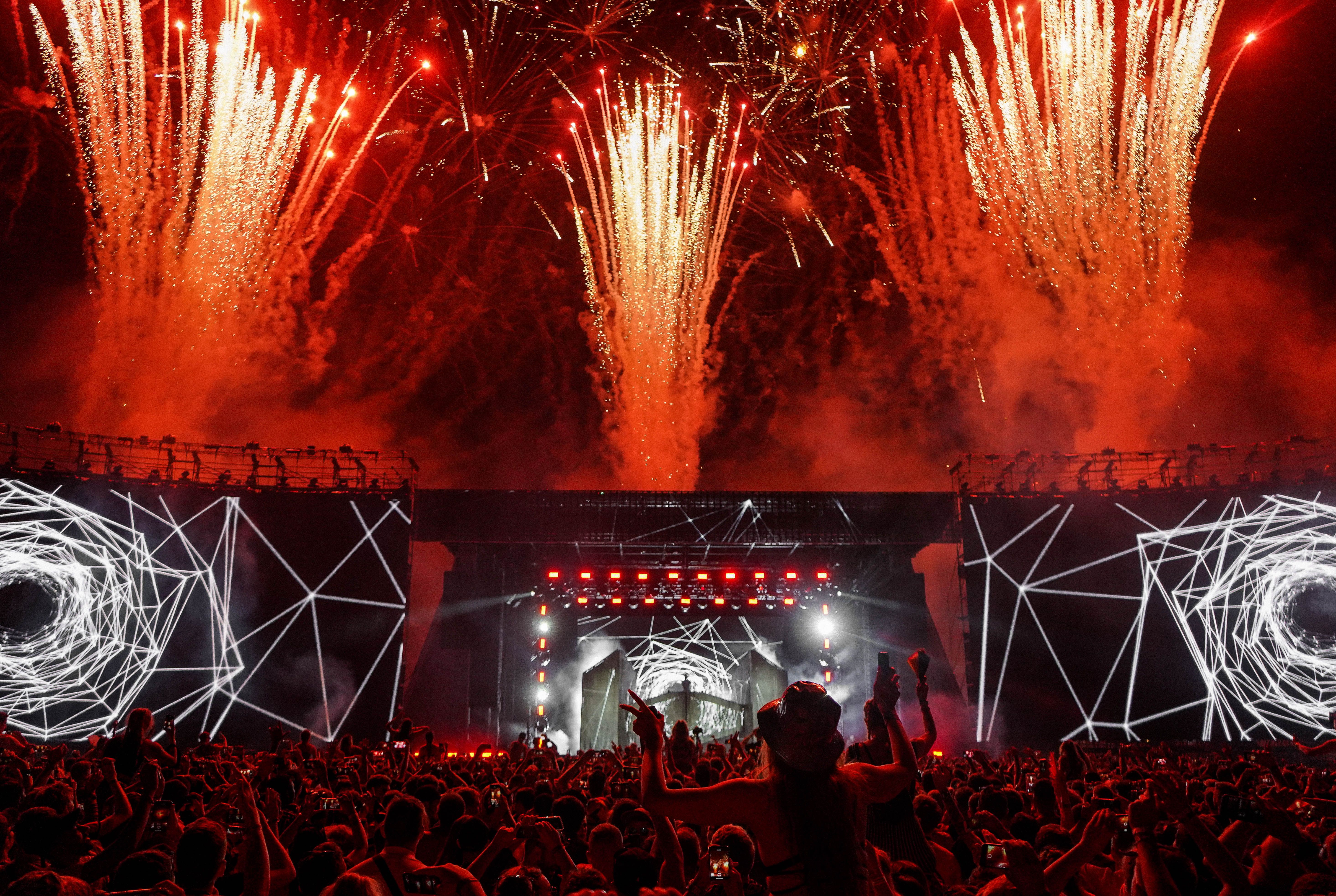
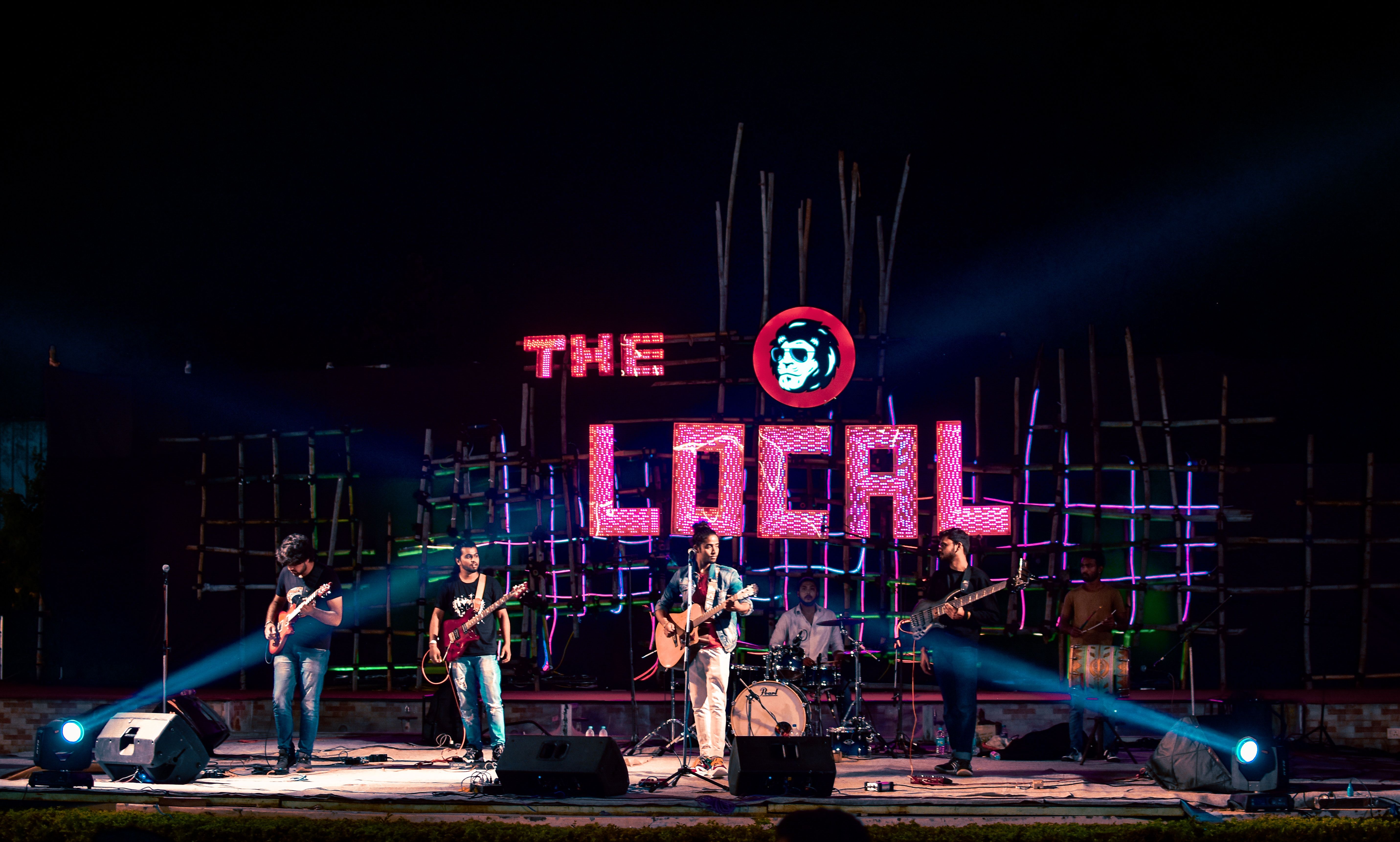
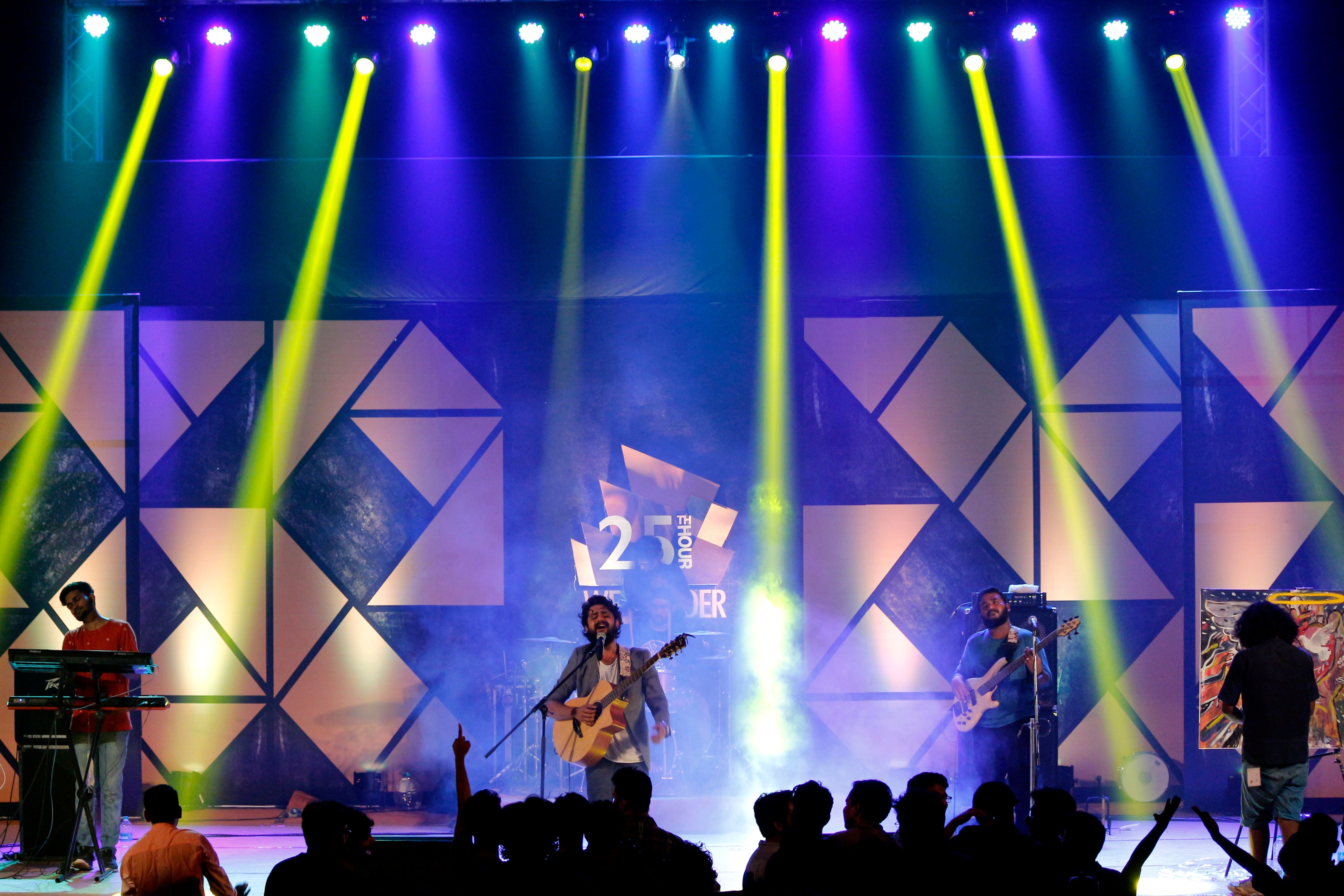
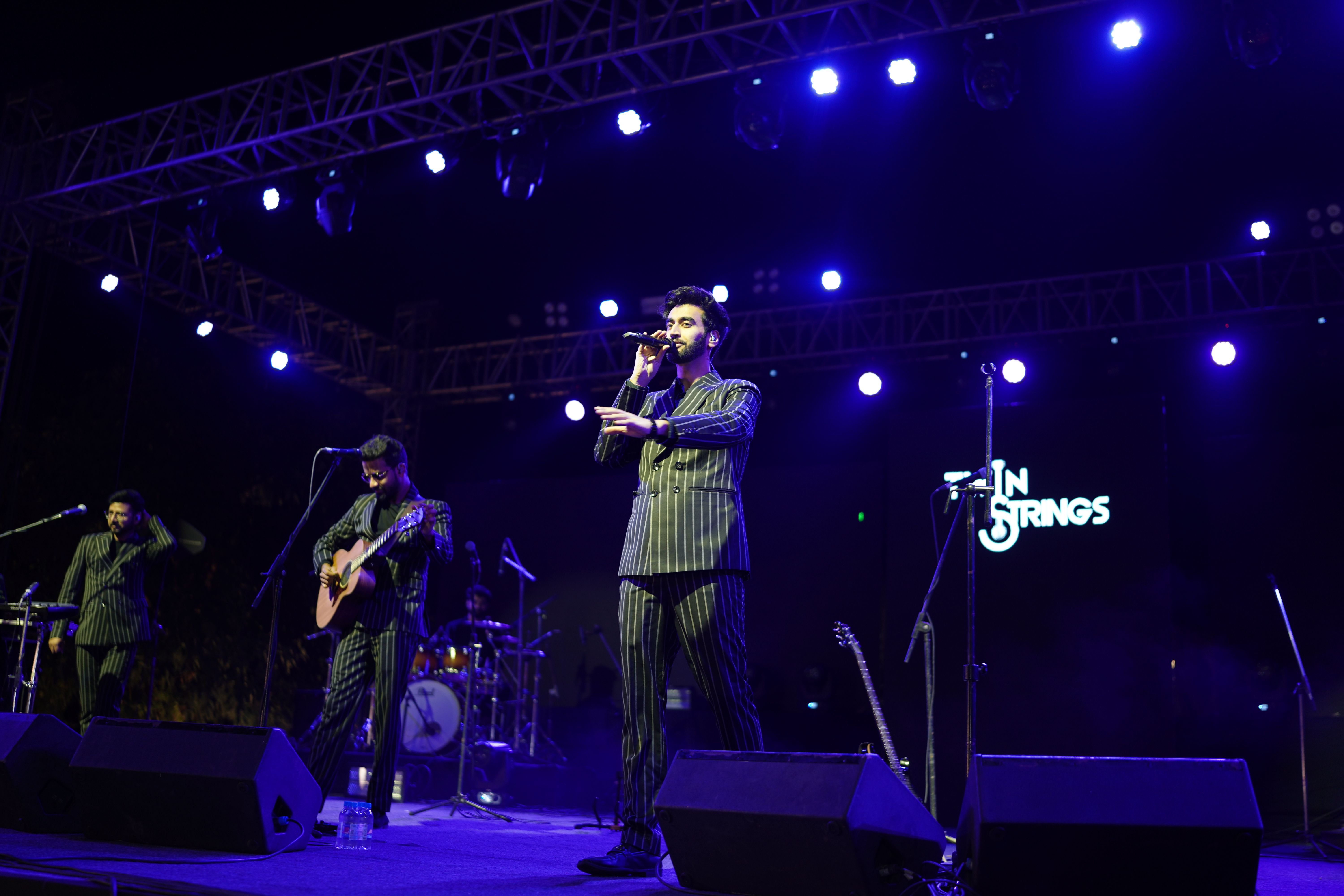
Your biryani can be delivered. But can your Friday Night Jam? It’s 8 PM on a Friday. Someone is sitting on their couch, scrolling through food delivery apps. Their favourite meal is just a few taps away, arriving hot at their doorstep in less than half an hour. So, why would they get dressed, book a cab and visit your restaurant or cafe instead? Not just for the food. They can find that almost anywhere. They come for the experience that happens around it. For restaurants, cafes, bars and lounges, this is becoming an important part of attracting customers. When food delivery makes dining at home more convenient, live music, DJs and engaging events give people a reason to step out. And for venues looking to build a loyal customer base, live entertainment can be the difference between being another place to eat and becoming everyone's Friday night plan. Why Food Alone May Not Be Enough to Attract Customers Food delivery platforms have made convenience a major part of the dining experience. Customers can compare prices, ratings, menus and delivery times without leaving their homes. Restaurants and cafes cannot always win by offering lower prices or expanding their menus. Instead, they can focus on something that is much harder to replicate at home: the atmosphere and experience of being there. Think about it. A great meal is enjoyable, but a live acoustic performance, a DJ set or a lively crowd can turn an ordinary dinner into a memorable evening. People don't just remember what they ate. They remember the song everyone sang along to, the night they spent dancing with friends and the unexpected moments that made the evening special. That is where live entertainment creates an opportunity for restaurants and cafes to stand out. 5 Ways Live Entertainment Can Help Your Venue Attract More Customers 1. Give Customers a Reason to Visit, Not Just a Menu A good menu can bring someone to your restaurant once. A well-planned event can give them a reason to return. Instead of promoting only food and drinks, create an experience around them. A Friday acoustic night, a Saturday DJ session, a themed music evening or a special live band performance gives customers something specific to look forward to. When promoting your venue, there's a difference between saying "Great food and drinks" and "Live acoustic music every Friday from 9 PM." The first tells customers what you offer. The second gives them a plan. 2. Build the Evening Around the Right Entertainment The best live entertainment for a venue depends on its audience, ambience, budget and available space. A cafe with a relaxed atmosphere might benefit from a solo singer or an acoustic duo. A bar or lounge could explore DJ nights, live bands or high-energy performances. Restaurants and hotel venues can use live music to create a more engaging dining experience. You can also plan the evening in stages. Start with softer music during dinner and introduce a more energetic performance as the night progresses. The objective is to choose entertainment that complements your venue rather than simply adding noise to the room. 3. Turn Memorable Experiences into Organic Marketing A good customer experience doesn't end when the bill is paid. It can continue through social media posts, recommendations and repeat visits. A packed venue, a singer performing a familiar song or a DJ getting the crowd moving can create moments people naturally want to capture and share. These experiences give your venue more opportunities to be discovered by potential customers through Instagram Stories, Reels and word-of-mouth recommendations. While social media promotion remains important, creating something worth sharing can make your existing customers part of your marketing efforts. 4. Make Entertainment a Regular Part of Your Venue's Identity One successful event can attract attention. Consistent programming can help build customer habits. For example, your venue could introduce Acoustic Fridays, DJ Saturdays or a monthly live band night. When customers know what to expect, they have a reason to plan their visits in advance. A recurring entertainment calendar also gives your team something consistent to promote across social media, WhatsApp campaigns and other customer communication channels. Over time, your venue can become known for more than its food or location. It can become a destination for a particular kind of experience. 5. Compete on Experience Instead of Constant Discounts Discounts can encourage customers to make a purchase, but relying on them too heavily can make it difficult to differentiate your venue. Live entertainment gives you another way to communicate value. Instead of competing only on food prices, you can offer an evening that combines dining, music, socialising and entertainment. This doesn't mean every event needs to be expensive or feature a large band. A thoughtfully planned solo performance or a suitable DJ can also help create the right atmosphere. The key is to match the entertainment to your audience and build an experience that makes customers want to return. How to Plan Live Music and Events at Your Restaurant or Cafe Introducing live entertainment requires more than booking an artist. Venues need to consider the event format, artist availability, budget, sound requirements, timings and audience expectations. Here are a few practical steps to get started: Understand your audience: Identify the music, performances and event formats that suit your regular customers. Choose the right artist: Explore singers, musicians, DJs and bands that match your venue's ambience and budget. Plan in advance: Confirm artist availability, timings, technical requirements and booking terms before announcing the event. Promote the experience: Share event details through social media, WhatsApp and your existing customer channels. Track what works: Monitor attendance, customer feedback, repeat visits and overall event performance to improve future editions. Start with a manageable schedule and build on the formats your customers respond to best. Consistency and planning can help make live entertainment a sustainable part of your venue's offering. How Aruva Helps Venues Bring Live Entertainment to Their Customers Finding suitable artists, coordinating bookings and managing event requirements can take time, especially when venue teams are already handling daily operations. Aruva helps simplify the process of discovering and booking live performing artists for venues. Through Aruva, venue partners can explore artist profiles and available performance setups, review pricing and plan entertainment that fits their requirements. The platform connects venues with performers across categories such as singers, DJs and bands, helping reduce the friction involved in coordinating bookings. Venues can also use Aruva Partner to create events and build more reasons for audiences to visit. Whether you're planning a relaxed acoustic evening at a cafe, a DJ night at a lounge or a live band performance at a restaurant, having a more organised way to discover artists and manage bookings can make planning easier. Instead of relying entirely on discounts to attract footfall, venues can start building experiences that customers look forward to. The Takeaway: Food Brings Them In. Experiences Bring Them Back. Food delivery will continue to make dining at home more convenient, and restaurants should embrace that reality. But going out offers something different: the atmosphere, the music, the people and the shared experiences that turn an ordinary evening into a memorable one. For restaurants, cafes, bars and lounges, live entertainment is an opportunity to create that difference. With the right artists, consistent event planning and a clear understanding of their audience, venues can give customers more reasons to step out and come back. Your next busy Friday could start with the right performance. Ready to plan your next event? Register your venue on Aruva Partner, Explore artists and book your next live act with Aruva. Find musicians, DJs, bands and other live performers for your venue through Aruva, and give your customers another reason to make a night of it.