
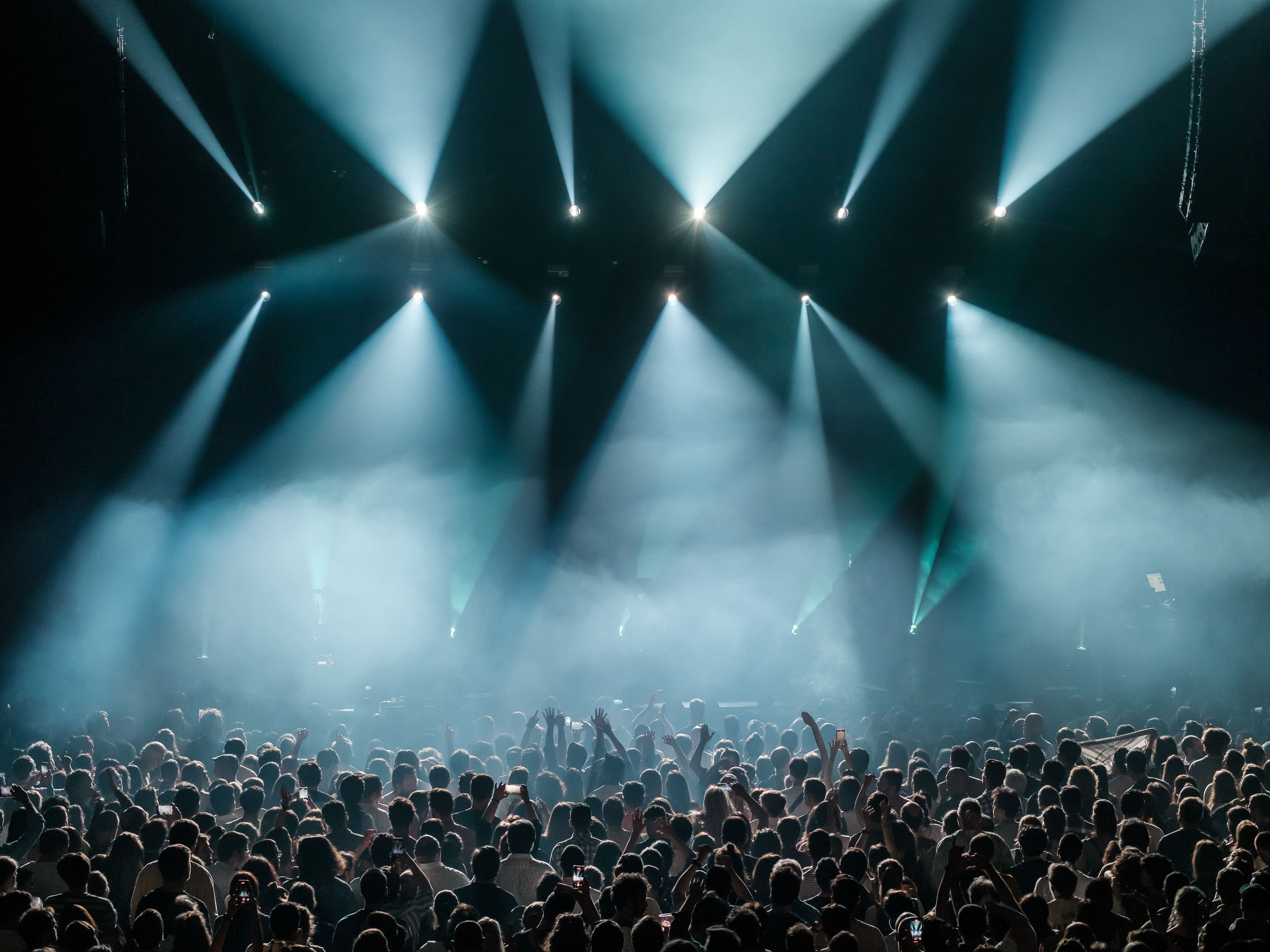
India's live entertainment industry is entering a period of significant change. Concerts, festivals, corporate events, experiential activations and venue-based entertainment are becoming an increasingly important part of how audiences spend their time and money.
India's media and entertainment industry reached approximately ₹2.78 trillion in 2025, while the live events segment grew 44%, according to the FICCI-EY Media & Entertainment report.
If this momentum continues, the live entertainment industry in India could look considerably different by 2030.
Here are some of the trends likely to shape its next phase.
1. Live Experiences Will Become More Important
Consumers have more digital entertainment choices than ever.
Streaming platforms, social media and gaming provide entertainment on demand. This may make physical experiences even more valuable.
Live concerts and events offer something digital platforms cannot fully replicate: being part of a shared experience.
By 2030, we could see more events designed around community, participation and immersive experiences rather than simply watching a performance.
2. Concerts Will Expand Beyond Major Cities
India's live entertainment economy is likely to become increasingly geographically diverse.
While cities such as Mumbai, Delhi and Bengaluru will remain important, emerging cities could become significant markets for concerts, festivals and independent events.
The growth of audiences outside India's largest metros suggests that organisers have an opportunity to build entertainment ecosystems in new markets.
This could create more opportunities for regional artists and local venues.
3. Independent Artists Will Become More Important
The future of live entertainment will not belong exclusively to established performers.
Digital platforms for artist booking and events like Aruva have made it easier for independent artists to release music, build audiences and develop personal brands.
As audiences discover more musicians online, organisers will have a larger talent pool to choose from.
Artist discovery and booking platforms such as Aruva can play an important role in this transition by helping venues and organisers discover performers based on their genre, location, experience and event requirements.
4. Technology Will Become the Industry's Infrastructure
Technology will increasingly sit behind almost every stage of the live entertainment journey.
By 2030, event technology could play a larger role in:
-
Artist discovery
-
Booking
-
Ticketing
-
Payments
-
Audience analytics
-
Marketing
-
Event operations
-
Personalised recommendations
AI could also help match audiences with artists and events based on preferences, location and previous behaviour.
The goal will not be to replace human creativity, but to make the industry more connected and efficient.
5. Data Will Influence Artist and Event Selection
As digital ticketing and event platforms generate more information, organisers will have access to better insights about audiences.
Data could help answer questions such as:
-
Which artists are popular in a particular city?
-
Which event formats attract repeat audiences?
-
What ticket prices work best?
-
Which marketing channels generate the most conversions?
-
Which venues are suitable for particular audiences?
This could make event planning less dependent on assumptions and more informed by audience behaviour.
6. Brands Will Invest More in Live Experiences
By 2030, brands are likely to become even more involved in live entertainment.
Concerts and experiential events provide brands with an opportunity to engage audiences directly rather than simply showing them advertisements.
We could see more:
-
Branded music events
-
Artist collaborations
-
Festival partnerships
-
Product launches
-
Pop-up experiences
-
Immersive brand activations
This could create new revenue streams for artists, organisers and venues.
7. Venues Will Become Entertainment Destinations
The traditional distinction between a restaurant, café, club and entertainment venue is likely to become less rigid.
Hospitality businesses may increasingly use live music and entertainment as a core part of their customer experience.
Instead of simply offering food or drinks, venues can build identities around:
-
Live music
-
DJ nights
-
Comedy
-
Cultural events
-
Community gatherings
-
Special experiences
This could create more consistent performance opportunities for artists.
8. Audiences Will Expect More Personalised Experiences
Audiences are becoming accustomed to personalised digital experiences.
The same expectation could influence live entertainment.
By 2030, event discovery could become more personalised, helping people find concerts, artists and experiences based on their location, interests and previous activity.
Technology platforms could make it easier for audiences to discover events that match their preferences.
What Could India's Live Entertainment Industry Look Like in 2030?
By 2030, India's live entertainment ecosystem could be:
More digital through connected booking, ticketing and event platforms.
More regional with stronger entertainment markets outside major metros.
More diverse with independent and emerging artists reaching larger audiences.
More experiential with events designed around participation rather than simply performances.
More data-driven with audience insights influencing event decisions.
More connected as artists, venues, organisers, brands and audiences interact through digital infrastructure.
Conclusion
The future of live entertainment in India is likely to be defined by a combination of technology, growing audiences, independent artists and demand for experiences.
The industry will not simply become bigger. It is likely to become more structured and interconnected.
Artists will have more ways to build careers. Venues will have more opportunities to create differentiated experiences. Brands will find new ways to engage audiences, and organisers will have access to better tools for discovering talent and managing events.
Artist booking platdorms in India like Aruva can contribute to this evolution by connecting artists, venues and event organisers through digital artist discovery and booking.
By 2030, the most successful live entertainment businesses may not simply be those that organise the biggest events.
They may be the ones that build the strongest connections between talent, technology and audiences.