
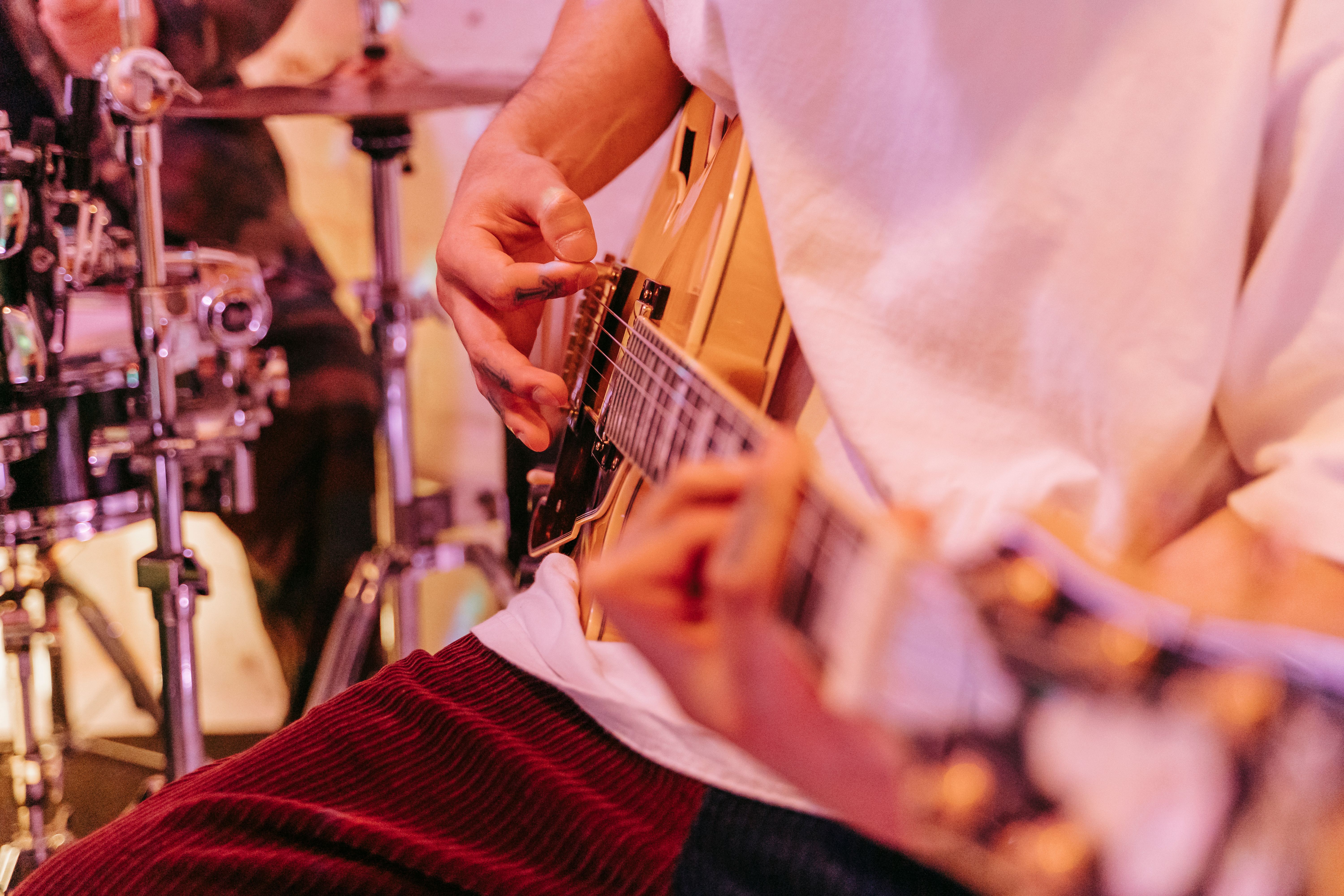
The role of a musician in India is changing. An artist's career is no longer limited to recording songs or performing occasionally. Today, musicians can build income through live performances, streaming, music publishing, brand collaborations, digital content, licensing and workshops.
This growing ecosystem is increasingly being described as the artist economy.
India's media and entertainment industry reached approximately ₹2.78 trillion in 2025, with the live events segment growing 44% and the music sector growing 10%, according to the FICCI-EY report.
What Is the Artist Economy?
The artist economy is the wider ecosystem that allows artists to turn their creative skills and audiences into sustainable income.
For musicians, this can include:
-
Live concerts and events
-
Corporate and wedding performances
-
Streaming and digital releases
-
Music publishing and royalties
-
Brand collaborations
-
Social media content
-
Music licensing
-
Workshops and education
-
Merchandise
-
Artist-led events
This means musicians are increasingly operating as both creative professionals and independent businesses.
Live Music Is Creating New Opportunities
Live performances are becoming an increasingly important part of an artist's career.
PwC estimates that India's live music market grew from approximately US$29 million in 2020 to US$149 million in 2024, with continued growth expected through 2029.
The broader concert economy is growing as well. EY estimates that India's organised live events segment crossed ₹12,000 crore in 2024.
This creates opportunities for artists across concerts, festivals, cafés, clubs, hotels, weddings, corporate events and private celebrations.
Platforms such as Aruva are part of this evolving ecosystem, helping connect artists with venues, event organisers and audiences looking for live entertainment.
Independent Artists Are Building Multiple Revenue Streams
Digital platforms like Aruva have made it easier for independent musicians to release music, build audiences and promote themselves without relying entirely on traditional industry structures.
However, sustainable income remains a challenge.
EY research found that 87% of surveyed music creators wanted to make a living from music, while only 60% said they were able to do so. Live performances and professional fees remain important income sources.
As a result, musicians are increasingly combining different revenue streams.
An artist might release original music, perform at events, collaborate with brands, teach workshops and create digital content simultaneously.
Technology Is Changing Artist Discovery
Technology is also transforming how artists find audiences and opportunities.
Platforms such as Aruva, Instagram, YouTube and streaming services help musicians build visibility directly with listeners. At the same time, artist discovery and booking platforms like Aruva can make it easier for venues and event organisers to find suitable performers.
This is becoming increasingly important as more independent artists enter the market.
The challenge is no longer only creating good music. Artists also need to become discoverable, build a professional identity and access relevant performance opportunities.
Opportunities Are Expanding Beyond Major Cities
India's live entertainment growth is also reaching beyond major metropolitan markets.
EY's analysis of the Dil-Luminati India Tour found that Tier II and Tier III cities accounted for 49% of total attendance, highlighting the growing demand for live experiences outside India's largest cities.
For independent and regional artists, this expansion can create new audiences and performance opportunities across the country.
The Future of the Indian Artist
The modern musician is increasingly becoming more than a performer.
They are a creator, entrepreneur, brand and business.
As India's live entertainment and digital music sectors continue to expand, artists will have more ways to monetise their skills and audiences.
The future of India's artist economy will not necessarily depend on a single income stream. Instead, successful artists may build careers by combining music, live performances, digital content, partnerships and technology.
Platforms like Aruva can play a role in this transition by creating more structured connections between artists and the growing demand for live entertainment.
India's artist economy is still developing, but one thing is becoming increasingly clear: the future of being a musician in India is bigger than music alone.