
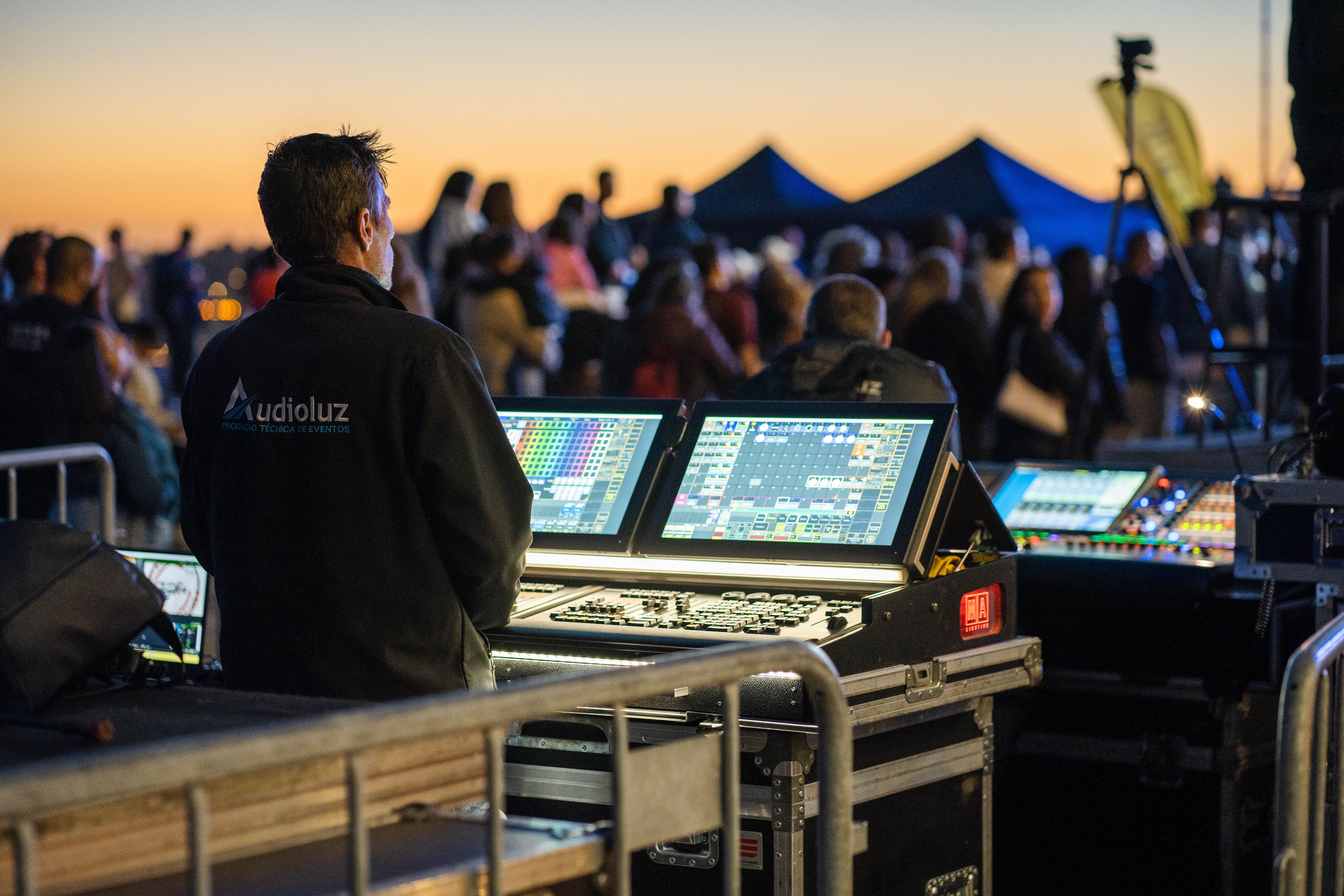
A successful live event depends on more than just talented performers. Even the best singers, DJs, or bands can struggle if the sound system is poor or the stage setup is unorganized.
Whether you are planning a wedding, corporate event, concert, festival, or private party, understanding the basics of sound and stage setup for live events helps create a professional and memorable experience for your audience.
In 2026, event audiences expect clear sound, smooth performances, and visually engaging stages. Proper planning ensures that your event feels polished, organized, and high quality.
Why Sound and Stage Setup Matters
Sound and stage production directly affect the audience experience.
A poor setup can lead to:
-
Low audio clarity
-
Feedback and sound issues
-
Delays during performances
-
Poor visibility for guests
A professional setup improves:
-
Audience engagement
-
Performer confidence
-
Event flow and coordination
-
Overall event quality perception
This is why sound and stage planning should never be treated as a last minute task.
Understanding the Basics of Event Sound Setup
1. Sound System Components
A standard live event sound setup usually includes:
Speakers
Speakers project sound to the audience. The size and quantity depend on the venue and audience size.
Microphones
Different microphones are used for singers, speakers, instruments, and hosts.
Common options include:
-
Wireless microphones
-
Handheld microphones
-
Lapel microphones
-
Instrument microphones
Mixer Console
The mixer controls sound levels, equalization, and audio balance between different inputs.
Monitors
Stage monitors help performers hear themselves during live performances.
Amplifiers
Amplifiers increase audio signal power for large speaker systems.
A balanced combination of these components is essential for professional live sound.
Choosing the Right Audio Setup for Your Event
Different events require different sound arrangements.
Weddings
Usually require:
-
Wireless microphones
-
Moderate speaker setup
-
Music system for live singers or DJs
Corporate Events
Focus on:
-
Speech clarity
-
Presentation audio
-
Professional microphone systems
Concerts and Festivals
Need:
-
Large scale speaker systems
-
Multiple monitors
-
Advanced mixing consoles
-
Strong bass and sound coverage
Choosing the right setup depends on:
-
Venue size
-
Audience capacity
-
Performance type
-
Indoor or outdoor location
Stage Setup Basics for Live Events
1. Stage Size and Layout
The stage should match the event type and number of performers.
Things to consider:
-
Space for movement
-
Equipment placement
-
Audience visibility
-
Entry and exit points
A crowded stage creates confusion and affects performance quality.
2. Stage Lighting
Lighting is a major part of live event production.
Good lighting:
-
Improves visibility
-
Creates atmosphere
-
Enhances audience experience
Common stage lighting includes:
-
Spotlights
-
LED wash lights
-
Moving head lights
-
Ambient background lighting
Lighting should complement the mood of the event rather than overpower it.
3. LED Screens and Visual Effects
Many modern events now include:
-
LED screens
-
Projection visuals
-
Animated backgrounds
These elements improve stage presentation and create immersive experiences, especially for concerts and corporate events.
Importance of Sound Check Before Events
A sound check is one of the most important parts of live event setup.
It helps:
-
Test microphones and speakers
-
Adjust sound levels
-
Prevent technical issues
-
Ensure performers are comfortable
Skipping sound check often leads to avoidable problems during the event.
Common Sound and Stage Setup Mistakes
Many event organizers make basic production mistakes such as:
-
Using low quality speakers
-
Poor microphone placement
-
Incorrect stage positioning
-
Ignoring venue acoustics
-
Weak lighting setup
These issues can negatively impact the audience experience even if the performance itself is strong.
Indoor vs Outdoor Event Setup
Indoor Events
Indoor venues usually require:
-
Controlled sound levels
-
Smaller speaker setups
-
Acoustic balancing
Outdoor Events
Outdoor events often need:
-
Larger sound systems
-
Weather protection
-
Additional lighting support
-
Stronger bass and audio projection
Outdoor sound setup is generally more complex because there are fewer natural sound reflections.
Why Professional Event Production Matters
Professional sound and stage management helps events run smoothly.
Experienced teams understand:
-
Equipment placement
-
Audio balancing
-
Stage coordination
-
Live performance requirements
This reduces stress for organizers and ensures better audience satisfaction.
The Future of Live Event Production in India
Live events in India are becoming more immersive and technology driven.
Modern trends include:
-
Intelligent lighting systems
-
Interactive LED visuals
-
Wireless sound technology
-
Hybrid event production
As audience expectations continue to grow, professional sound and stage setup will become even more important.
How Aruva Helps Create Better Event Experiences
Aruva connects event organizers with professional performers and live entertainment experiences.
Proper event entertainment works best when combined with:
-
Quality sound systems
-
Professional stage production
-
Smooth event coordination
This combination helps create memorable and engaging live events.
Great Events Need Great Production
A successful live event is not just about performance talent. It is also about how that performance is presented.
Good sound quality, proper stage design, and professional production create better audience experiences and help events feel more polished and memorable.
Whether you are planning a wedding, concert, festival, or corporate event, investing in the right sound and stage setup is essential for event success.
Plan Better Live Events with Professional Setup
Create immersive and engaging experiences with the right combination of entertainment, sound, and stage production.
Deliver events that look professional, sound amazing, and leave a lasting impression.